WaterSoftHack initiative aims to cultivate the workforce that creates, utilizes, and supports advanced cyberinfrastructure (CI) workflows and tools to enable and potentially transform fundamental water science education and research. This is a multi-year NSF-funded project, dedicated to advancing water science research and education through the synergistic power of CI and machine learning training. This initiative is a collaborative effort led by Dr. Vidya Samadi from Clemson University, collaboratively with the University of Iowa, Tulane University and the Consortium of Universities for the Advancement of Hydrologic Sciences, Inc. (CUAHSI).
The vision of WaterSoftHack is to democratize access to advanced CI approaches and cybertraining materials within the water science community. The goal is to foster an inclusive academic environment that encourages exploration and innovation and increases researchers’ competence and confidence in CI prototyping and workflow development
For information on how to get involved or support our mission, please reach out to us at watersofthack@clemson.edu. Please review our Code of Conduct before joining.
| Day | 11-13:00 EST | 13-14:00 EST | 14-15:00 EST |
|---|---|---|---|
| Week 1 | |||
| Monday (July 20) | 11:00-12:00 Project Introduction 12:00-13:00 Big and real-time data problems in Hydroscience |
Lunch Break | CUAHSI presentation |
| Tuesday (July 21) | Introduction to cloud computing | Lunch Break | Hands-on Workshop |
| Wednesday (July 22) | Edge computing | Lunch Break | Hands-on Workshop |
| Thursday (July 23) | Hybrid Approaches | Lunch Break | Hands-on Workshop |
| Friday (Jul 24) | Training on Science Communication (Alda Center) | Lunch Break | Training on Science Communication (Alda Center) |
| Week 2 | |||
| Monday (Jul 27) | Project Progress Updates by Students | Lunch Break | Project Progress Updates by Students |
| Tuesday (Jul 28) | Self-Guided Work by Students | Lunch Break | Self-Guided Work by Students |
| Wednesday (Jul 29) | Self-Guided Work by Students | Lunch Break | Self-Guided Work by Students |
| Thursday (Jul 30) | Self-Guided Work by Students | Lunch Break | Self-Guided Work by Students |
| Friday (Jul 31) | Project Presentations | Lunch Break | Closing Ceremony |
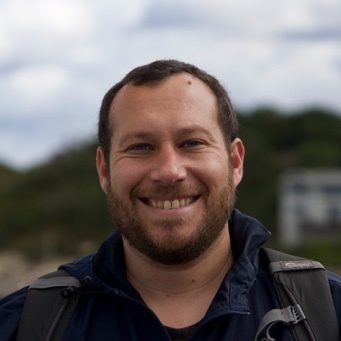
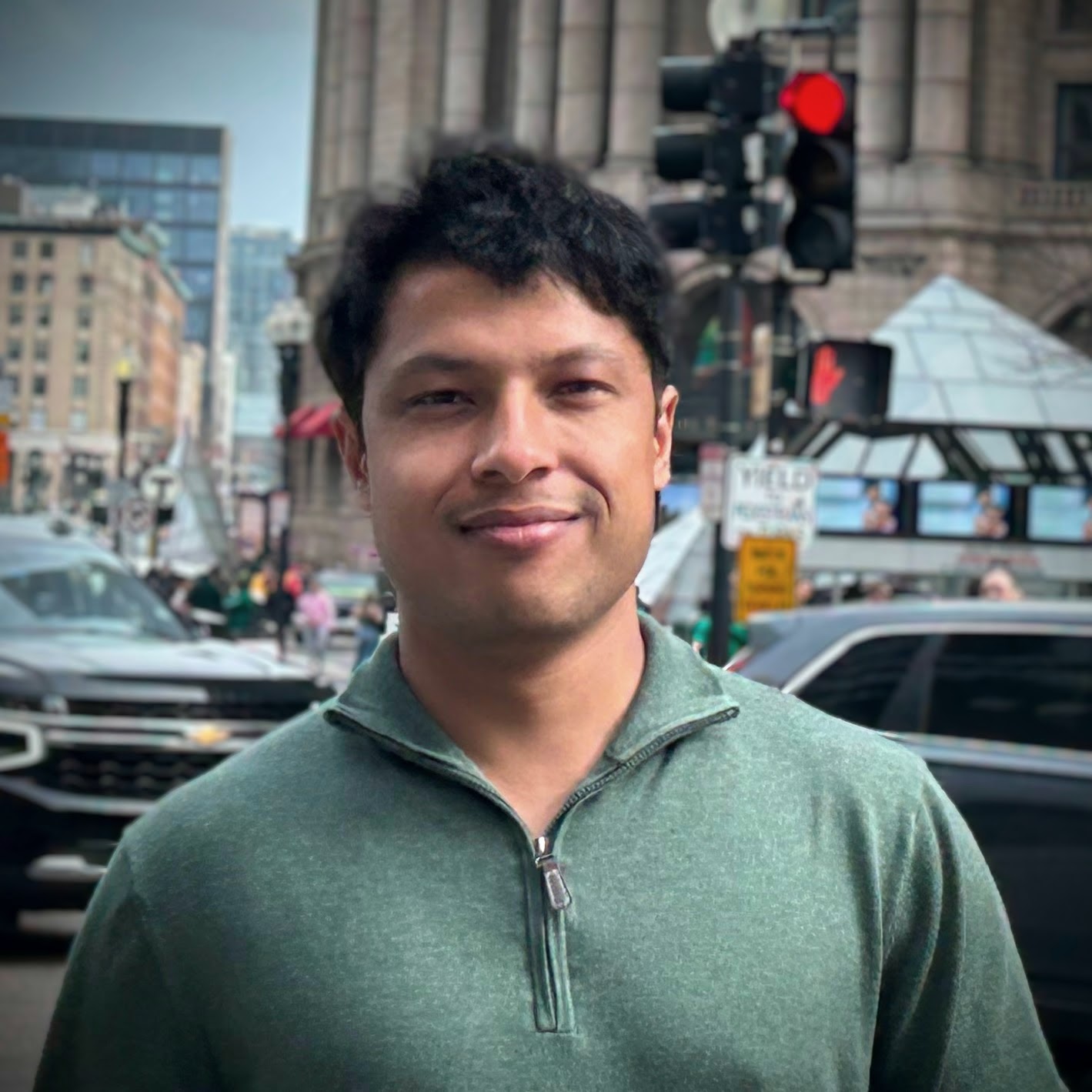
Technical Assistant | Web Developer | Instructor (2025)
Learn more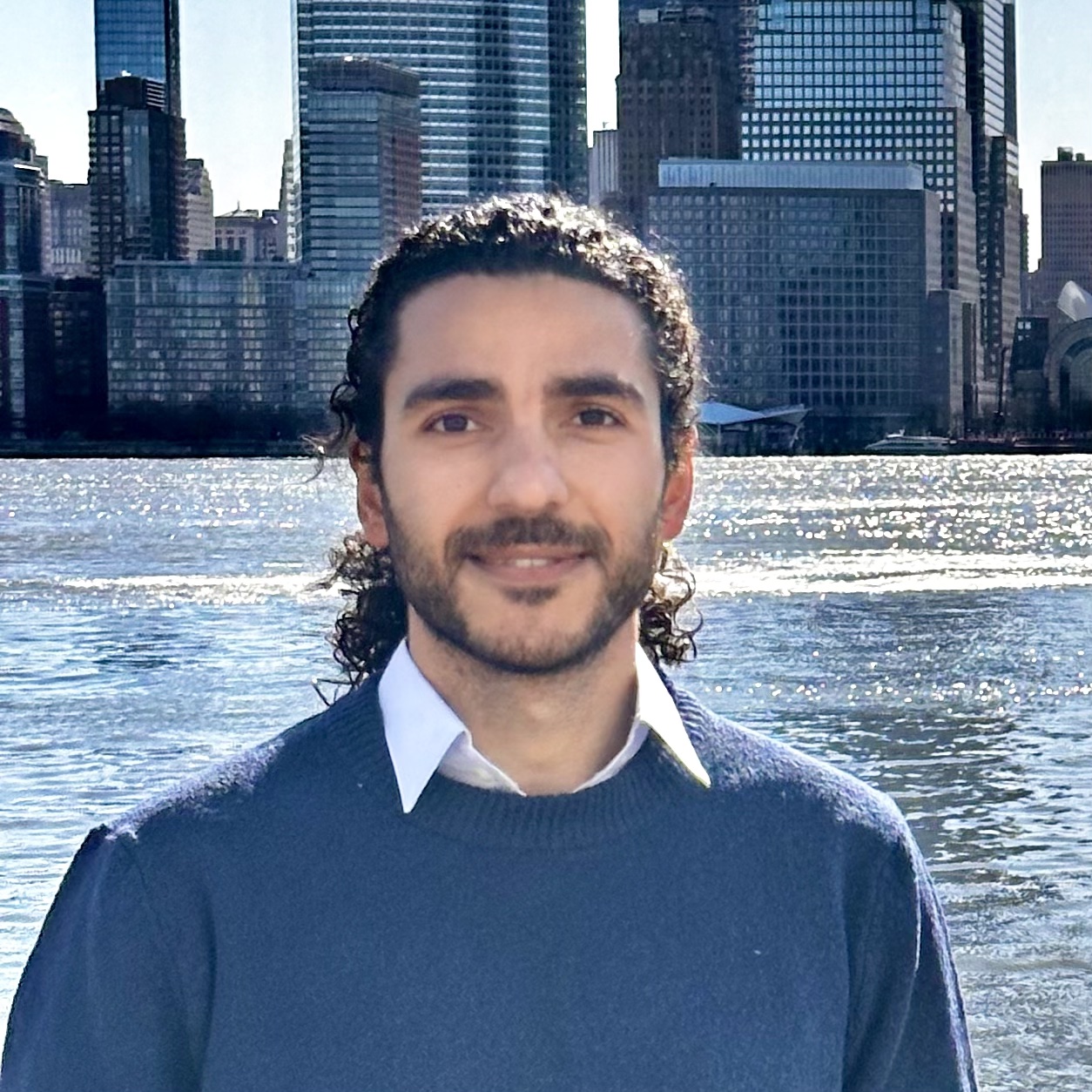
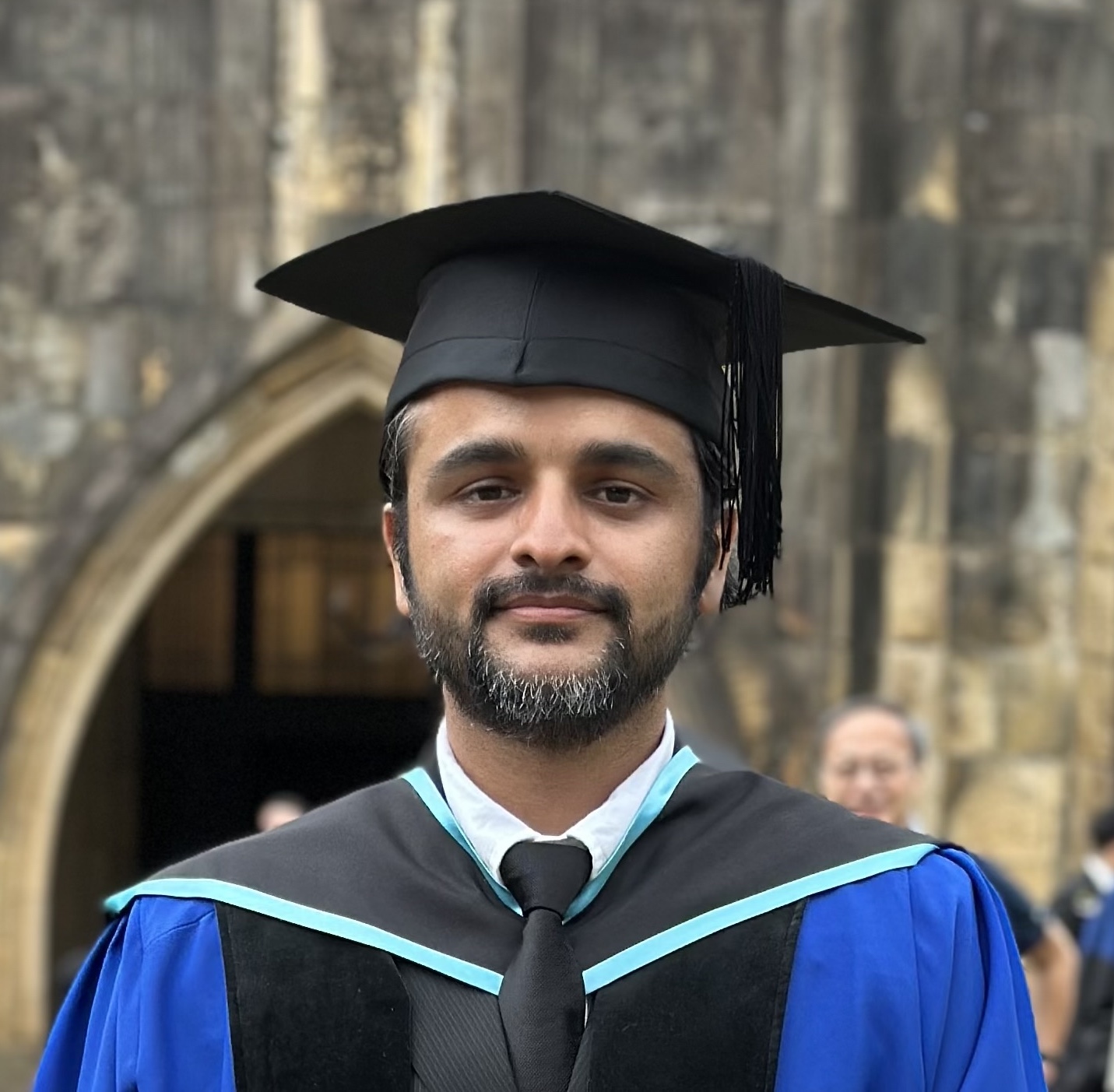

Ph.D. student in Hydrology and Atmospheric Sciences at the University of Arizona, passionate about integrating AI, remote sensing, and high-performance computing for Earth science applications.
Undergraduate student at the College of Coastal Georgia studying Environmental Science. He focuses on using geospatial and quantitative models to apply data science to environmental resilience.
Ph.D. student in Data Science at Boise State University, specializing in remote sensing, GeoAI, and AI-driven modeling of environmental extremes.
Postdoctoral researcher at the University of Kansas specializing in compound flooding, inundation mapping, and morphodynamic river processes using 2D hydrodynamics, machine learning, and remote sensing.
Postdoctoral research scholar at the University of Central Florida, working on storm surge prediction using machine learning. Passionate about water, climate resilience, and building data-driven solutions for real world environmental challenges.
Geoscientist at the University of Pittsburgh who is passionate about understanding Earth's surface processes shaped by air, water, land, and human interactions, using data-driven methods to study environmental change and promote sustainable solutions.
Ph.D. candidate at Miami University specializing in hydrogeochemistry and climate‑driven impacts on terrestrial and aquatic ecosystems, with expertise in isotopic geochemistry, environmental data science, machine learning, geospatial analysis, and watershed modeling.
Ph.D. student in University of Alabama specializing in Hydroinformatics and edge computing in water systems, environmental sensor data post-processing, automated real-time workflows, and scalable cloud-ready systems.
Ph.D. Candidate in Civil and Environmental Engineering at Jackson State University. His research focuses on developing integrated climate-hydrology-hydrodynamic modeling frameworks for enhanced flood hazard assessment and risk quantification.
Ph.D. candidate in civil engineering at Northeastern University with research on integrating remote sensing, hydraulic geometry, and machine learning for flood hazard assessment.
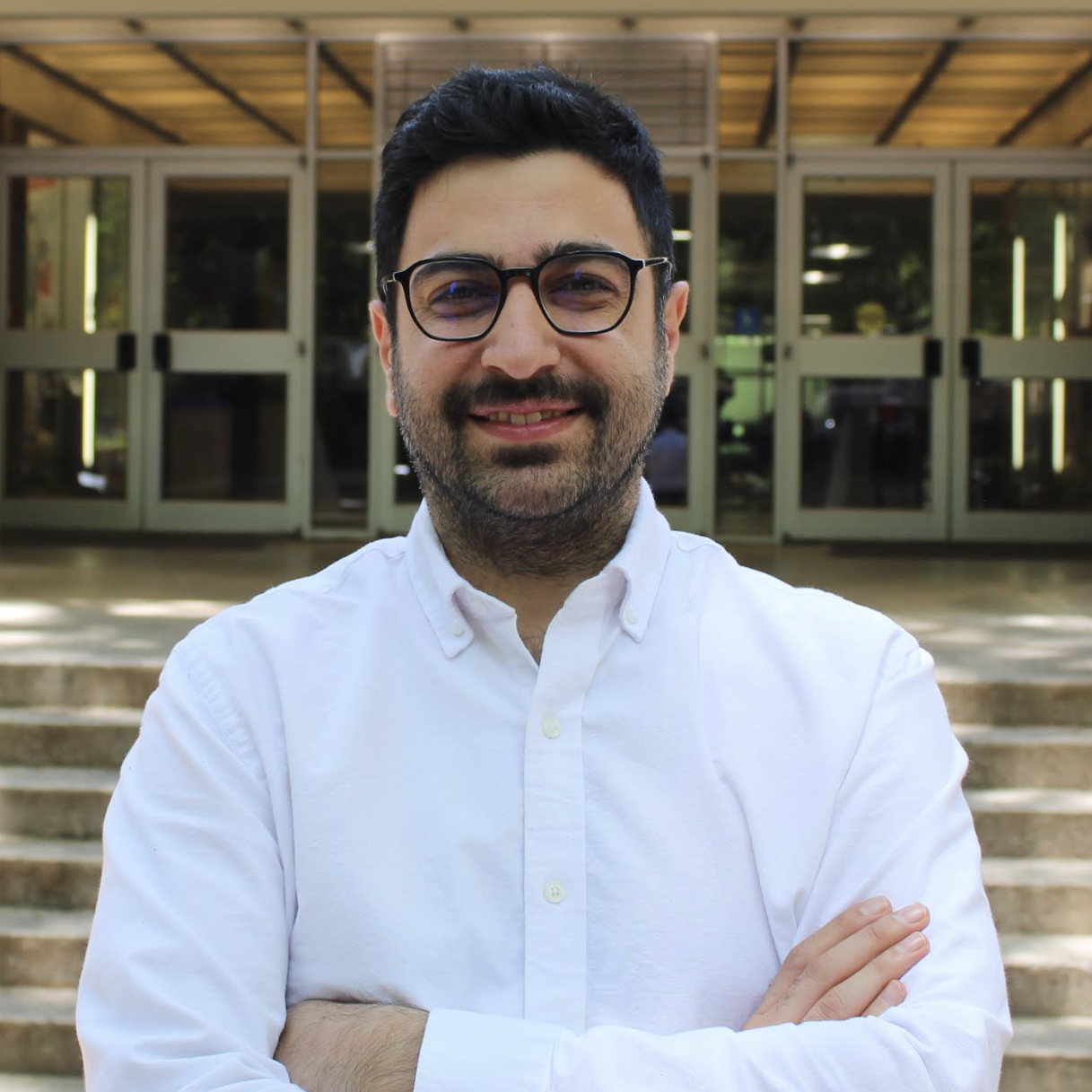
Ph.D. student at the University of Georgia specializing in hydrology and water resources. My research mainly focuses on using remote sensing, machine learning and climate models to predict coastal wetland productivity under future climate scenarios.
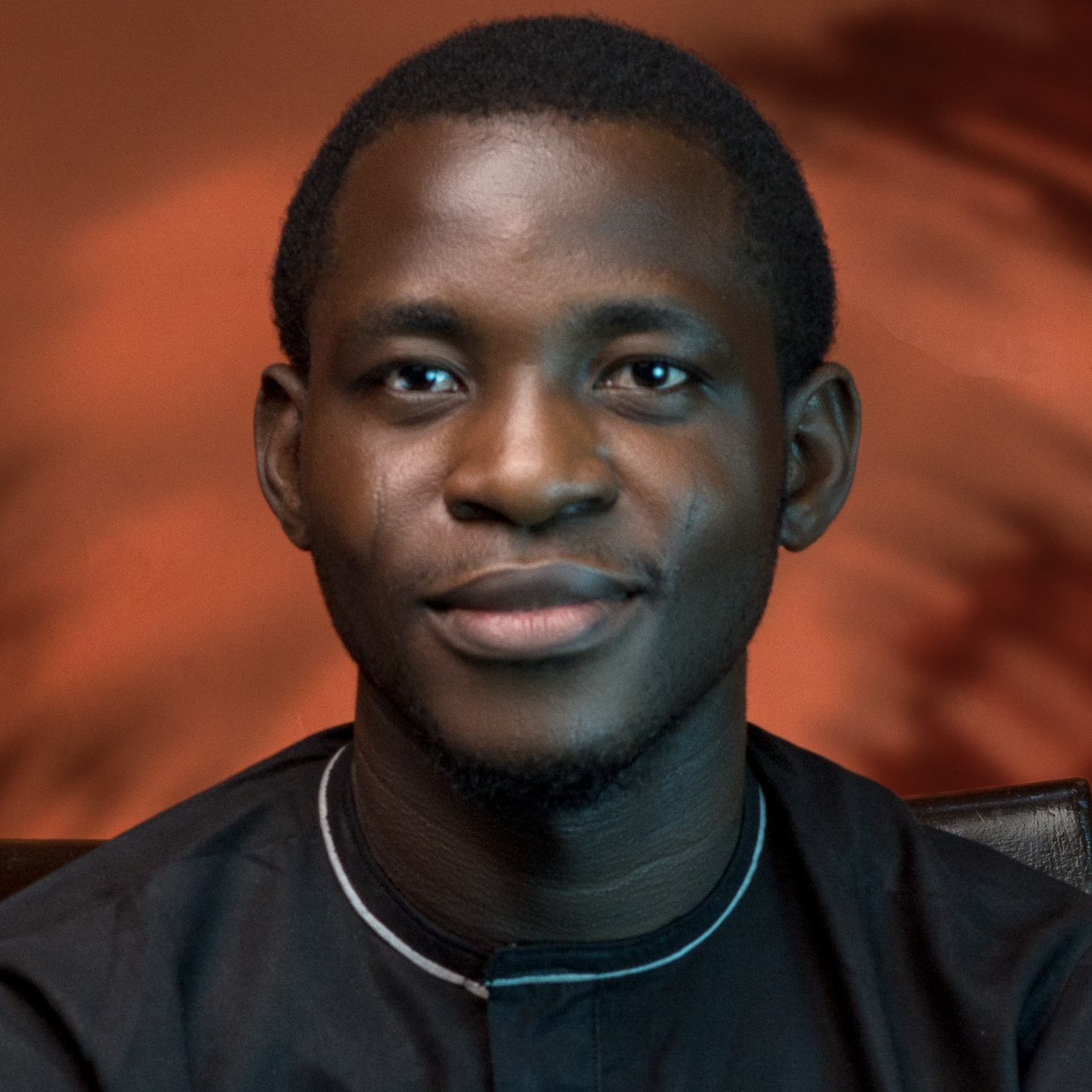
Ph.D. student at Purdue University working on groundwater monitoring, hydrologic modeling, and water-data analysis, with interests in sensing, computation, and water-resources decision support.

Ph.D. Candidate in Earth Systems Science at Florida International University. I work on optimizing the process of tracing drought signals across systems and sectors. I study the spatiotemporal evolution of droughts aimed at early warning, impact mitigation, and enhanced intervention.
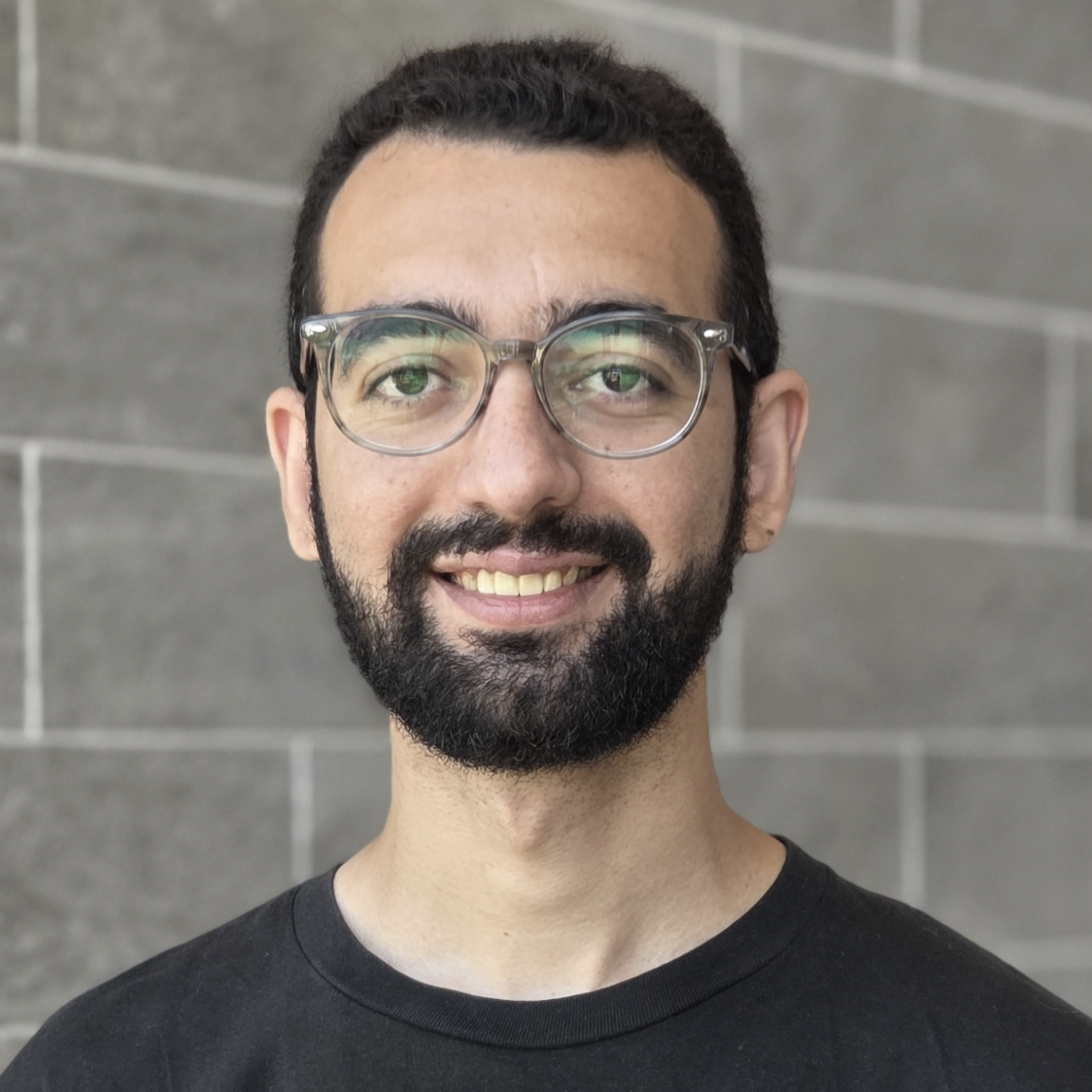
Ph.D. candidate in Geosciences at Western Michigan University, researching groundwater recharge from extreme precipitation using satellite remote sensing, machine learning, and hydrological modeling in arid environments.
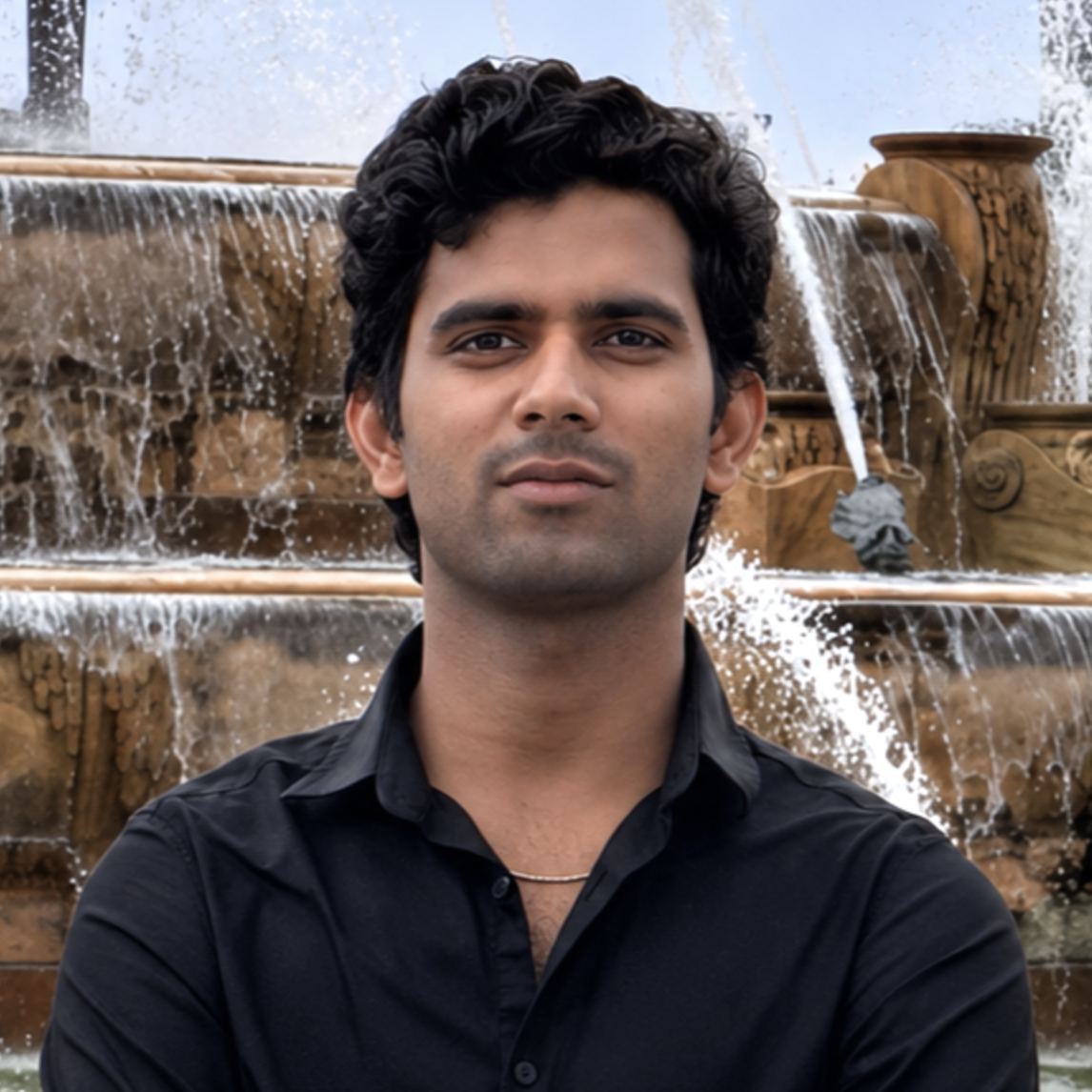
Ph.D. student in Computer Science at Michigan State University, specializing in deep learning and artificial intelligence for environmental and water resource systems.
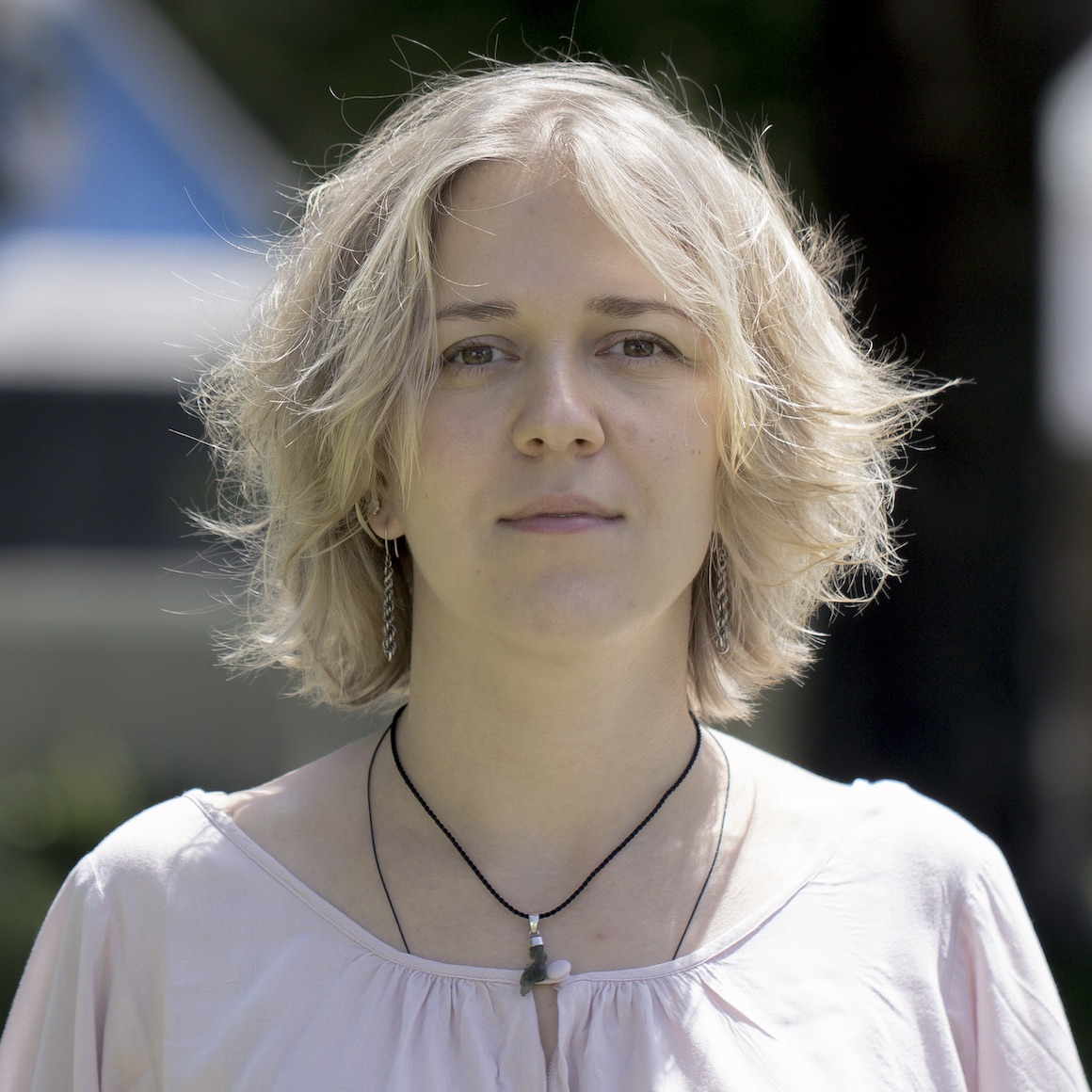
Assistant Professor at Middle Tennessee State University, specializing in freshwater pollutant dynamics, sediment transport, and the spatial and temporal patterns of urban light pollution.
Ph.D. student in Computer Science at University of Iowa, specializing in cloud computing.
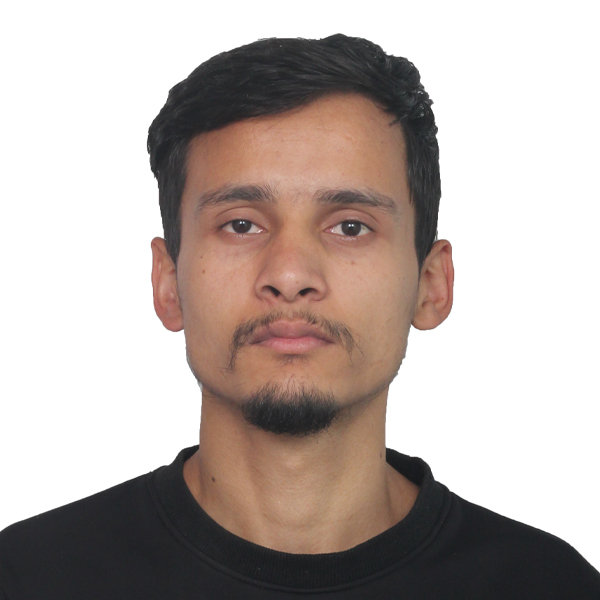
M.S. student in Civil Engineering and Graduate Research Assistant at the Jackson State University (JSU) Water Lab,and is focusing on using satellite imagery for suspended sediment measurement.
Geoscientist at the University of Pittsburgh who is passionate about understanding Earth's surface processes shaped by air, water, land, and human interactions, using data-driven methods to study environmental change and promote sustainable solutions.
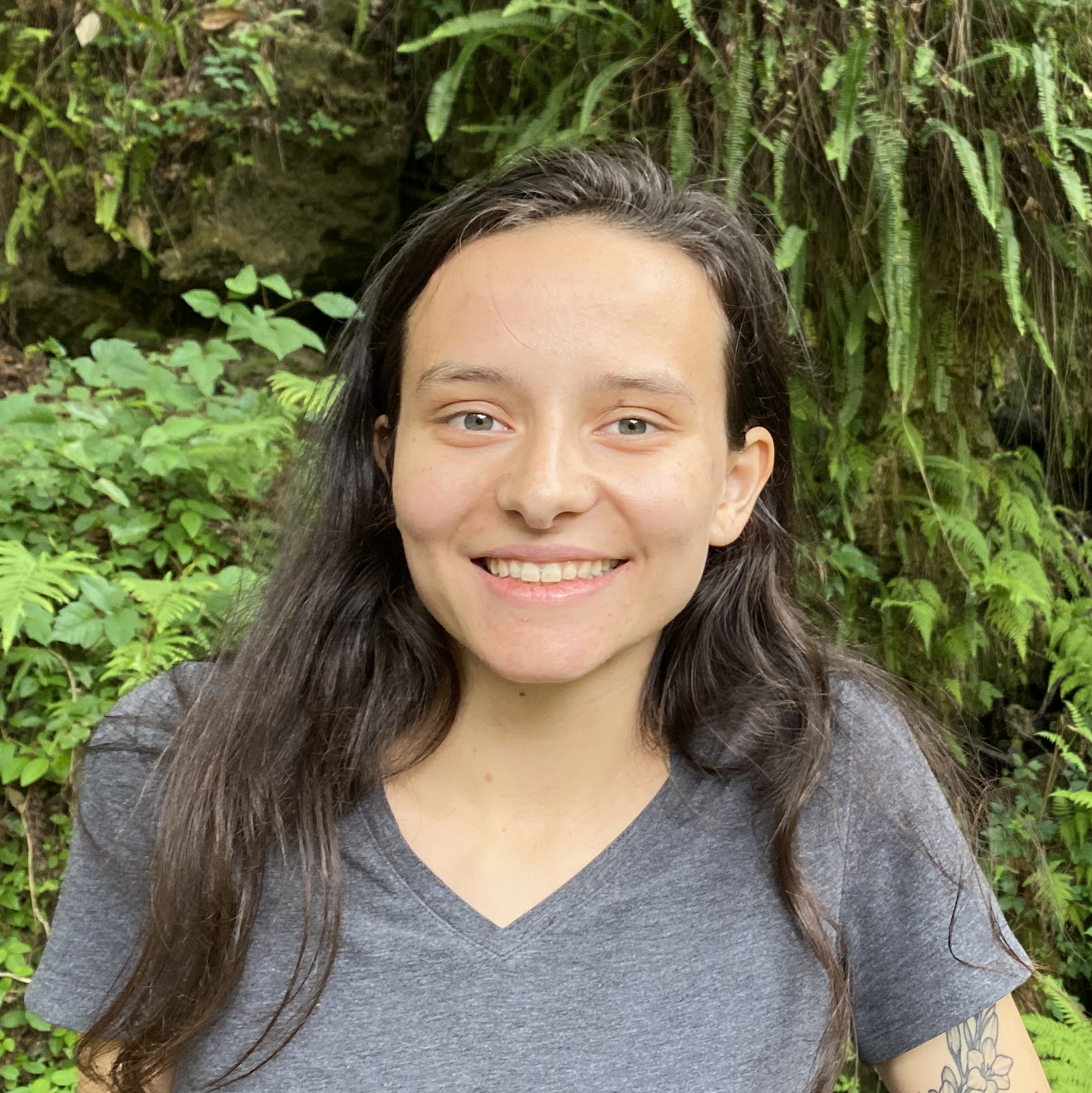
M.S. student in the Rubenstein School of Environment and Natural Resources at University of Vermont. Her research focuses on stream biogeochemistry and watershed processes in the face of changing northeastern winters.

M.S. student in hydrogeology at the University of Kansas, working on machine-learning approaches for watershed-scale water quality forecasting, particularly in non-perennially flowing hydrologic systems.
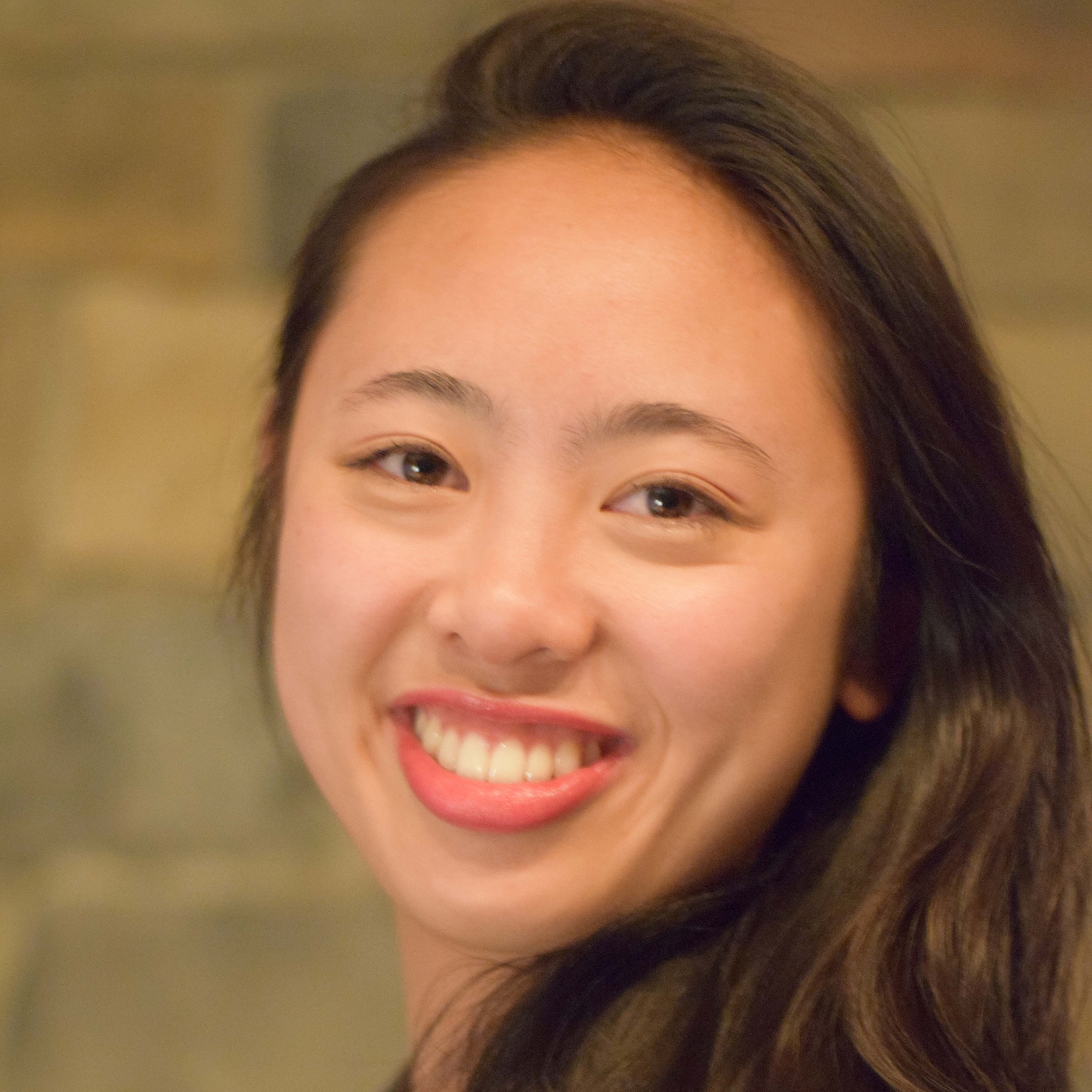
Postdoctoral Fellow at Chapman University who models post-fire hydrology, floods, and debris flows to inform long-term emergency planning and resilient infrastructure design.
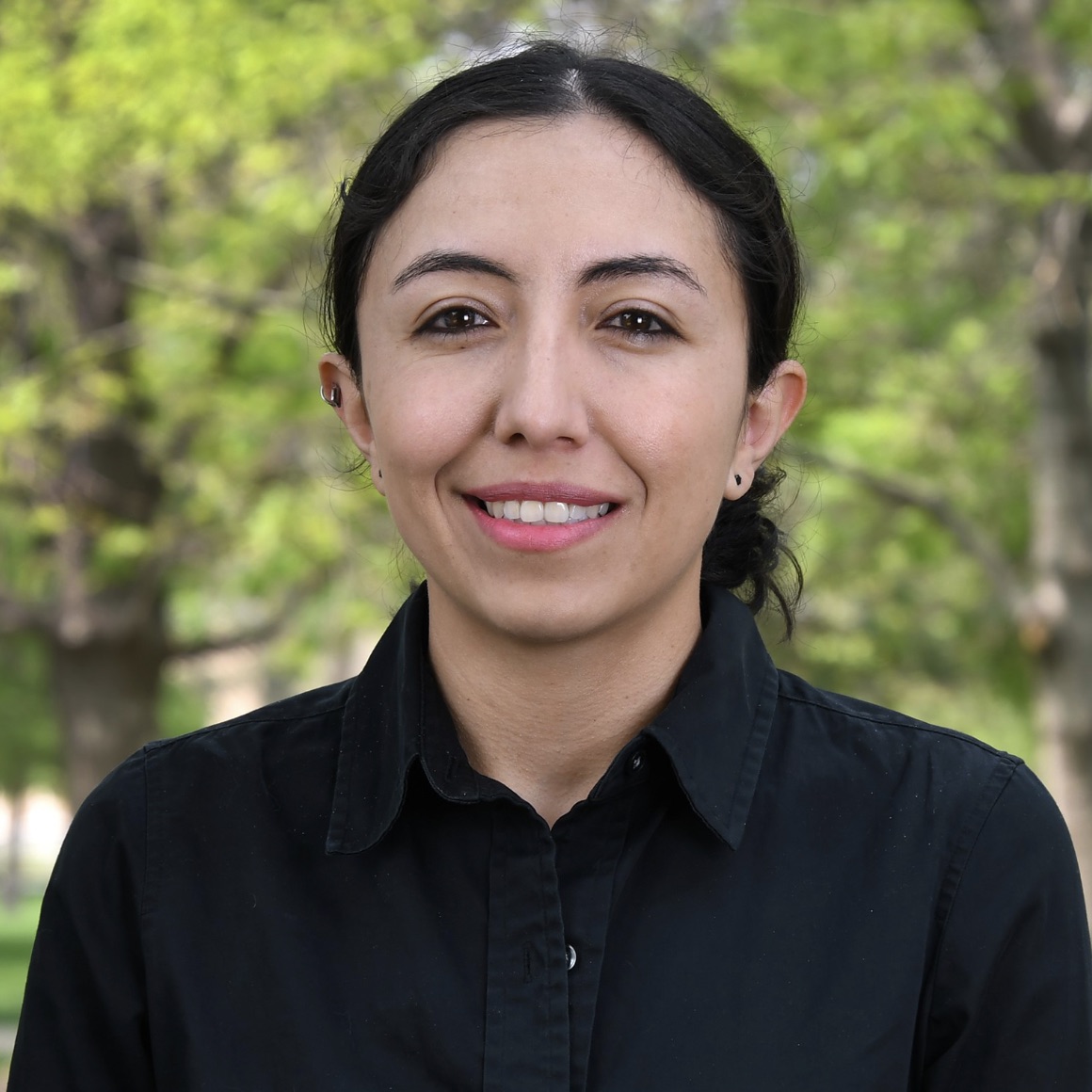
Postdoctoral researcher at the Colorado School of Mines. Her research interests are in hydrologic modeling and machine learning focusing on subsurface flow processes, and climate change impacts on the hydrologic cycle.
Undergraduate student in Environmental Science at the College of Coastal Georgia, with a focus on the water resource impacts of mining. He is interested in applying machine learning and geospatial data to protect ecosystems and support informed environmental decision-making.
Ph.D. candidate in Earth Systems Science at Florida International University. Her research focuses on hydrology and drought modeling for informed decision-making processes.
Assistant Professor at Middle Tennessee State University, specializing in freshwater pollutant dynamics, sediment transport, and the spatial and temporal patterns of urban light pollution.
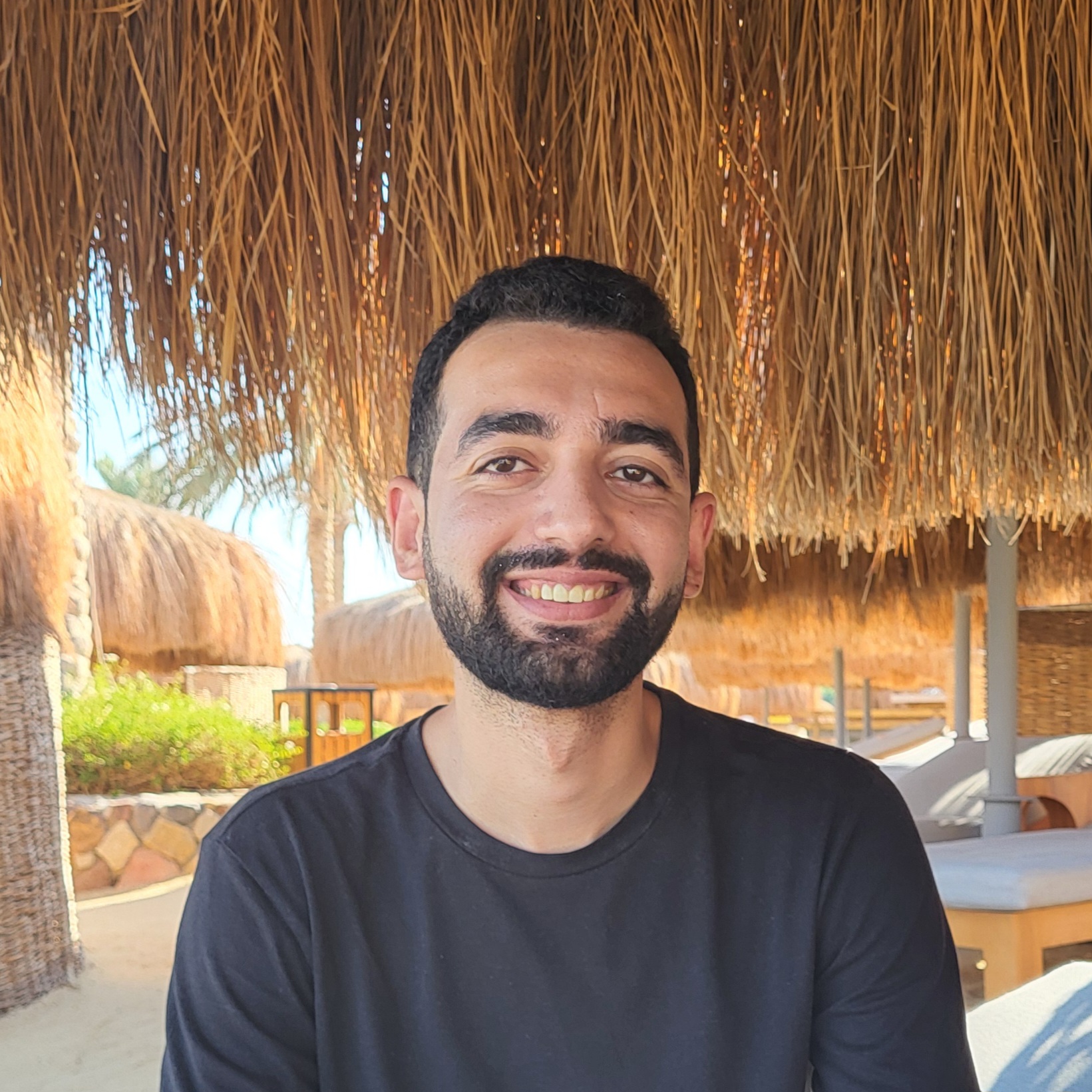
Ph.D. candidate at Western Michigan University investigating groundwater recharge from extreme precipitation in arid regions. Hassan is interested in hydrological modeling, climate extremes, and spatial data analysis.
M.S. student in computer science at Clemson University. His research involves applied machine learning in hydrology and agriculture.
Ph.D. candidate at Miami University focusing on hydrogeochemistry and climate change impacts on terrestrial and aquatic ecosystems, with expertise in isotope analysis, environmental data science, machine learning, and geospatial analysis.
Postdoctoral research scholar at the University of Central Florida, working on storm surge prediction using machine learning. Passionate about water, climate resilience, and building data-driven solutions for real world environmental challenges.
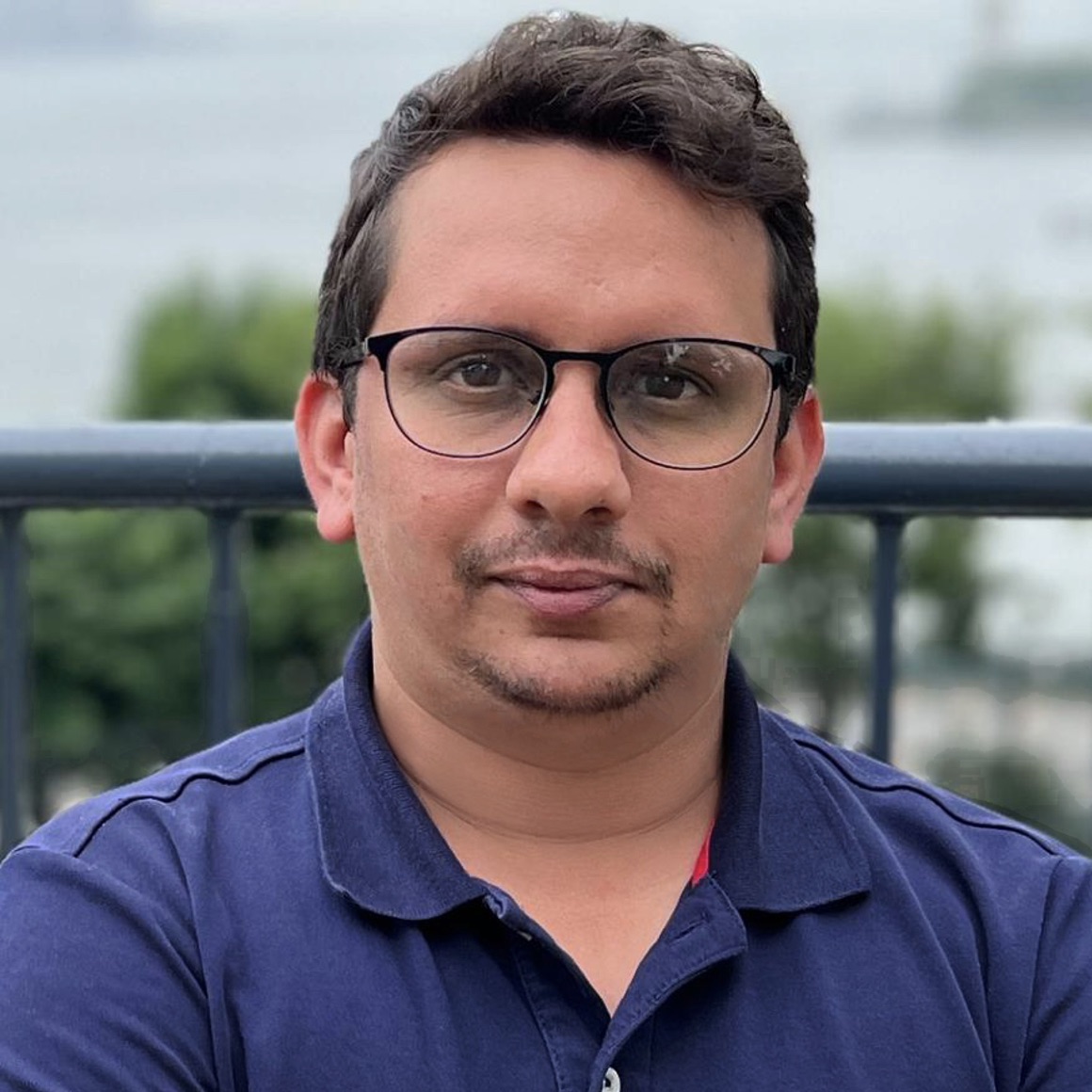
Postdoctoral Research Scholar at University of Iowa, focuses on applying advanced modeling and remote sensing techniques for environmental monitoring and enhance public scientific engagement.
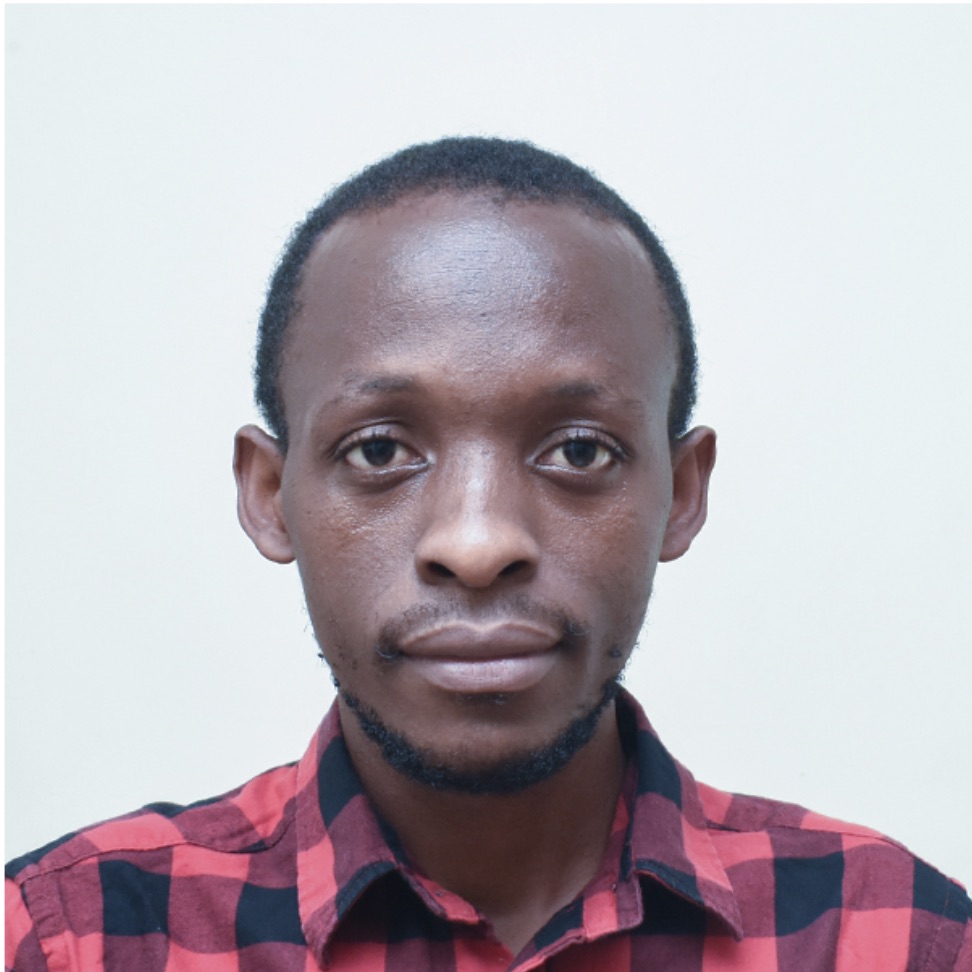
Ph.D. Candidate in Earth Systems Science at Florida International University. His research focuses on Water Quality monitoring for inland water bodies using remote sensing and machine learning techniques. Other research interests include Water Resources, Environmental, Hydrology, and watershed management.
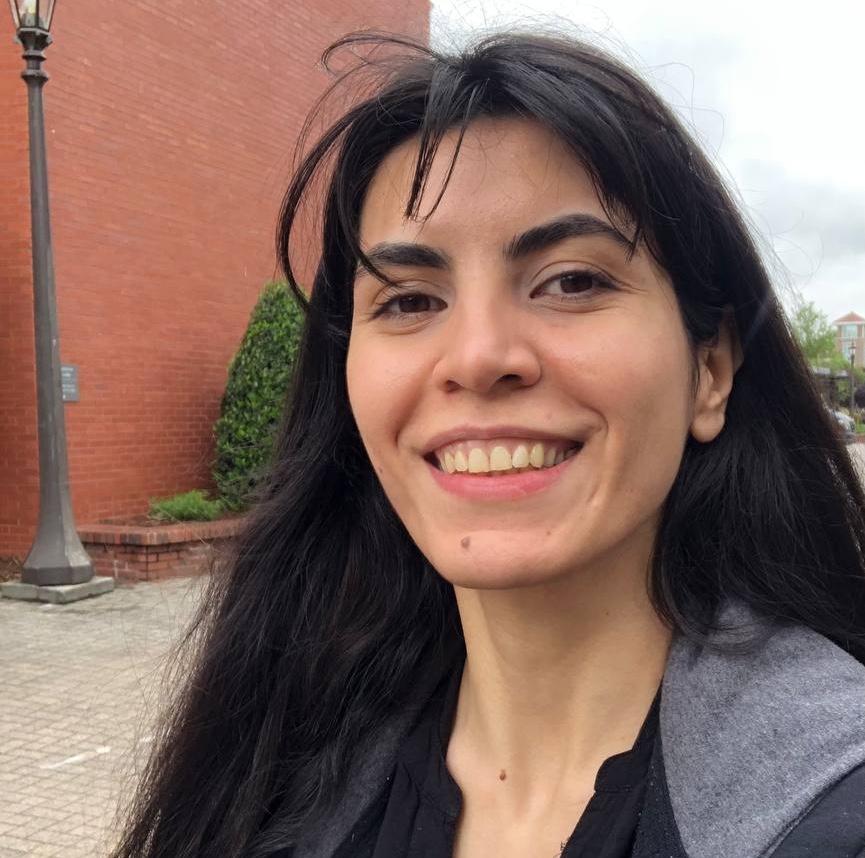
Ph.D. student in Ecosystem Science and Sustainability at Colorado State University. Her research focuses on climate change impacts on high alpine groundwater systems.
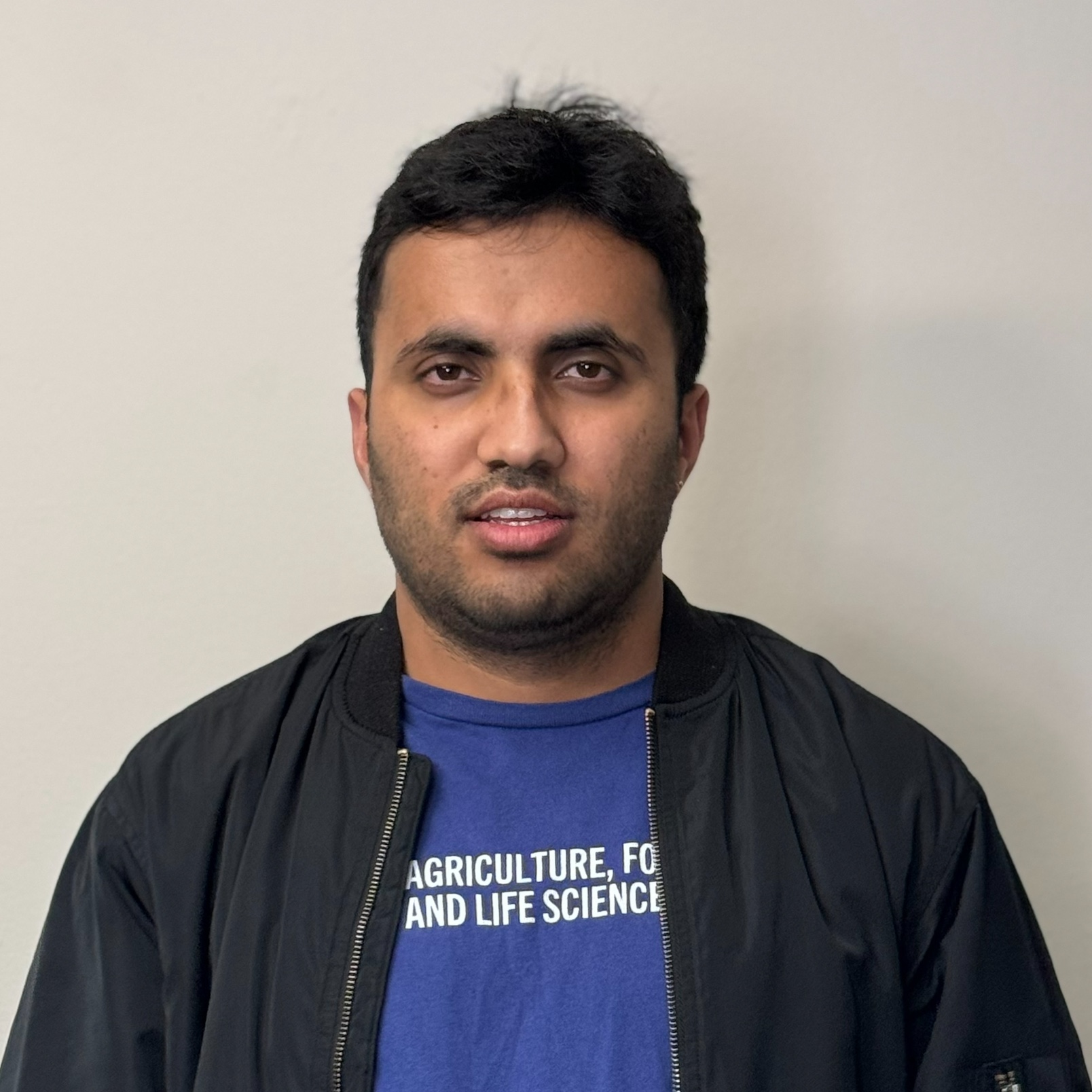
Ph.D. student in climate-smart agriculture and forestry, using ASD for agricultural analysis and remote sensing with AI for forestry to enhance sustainable land management and optimize carbon market strategies.
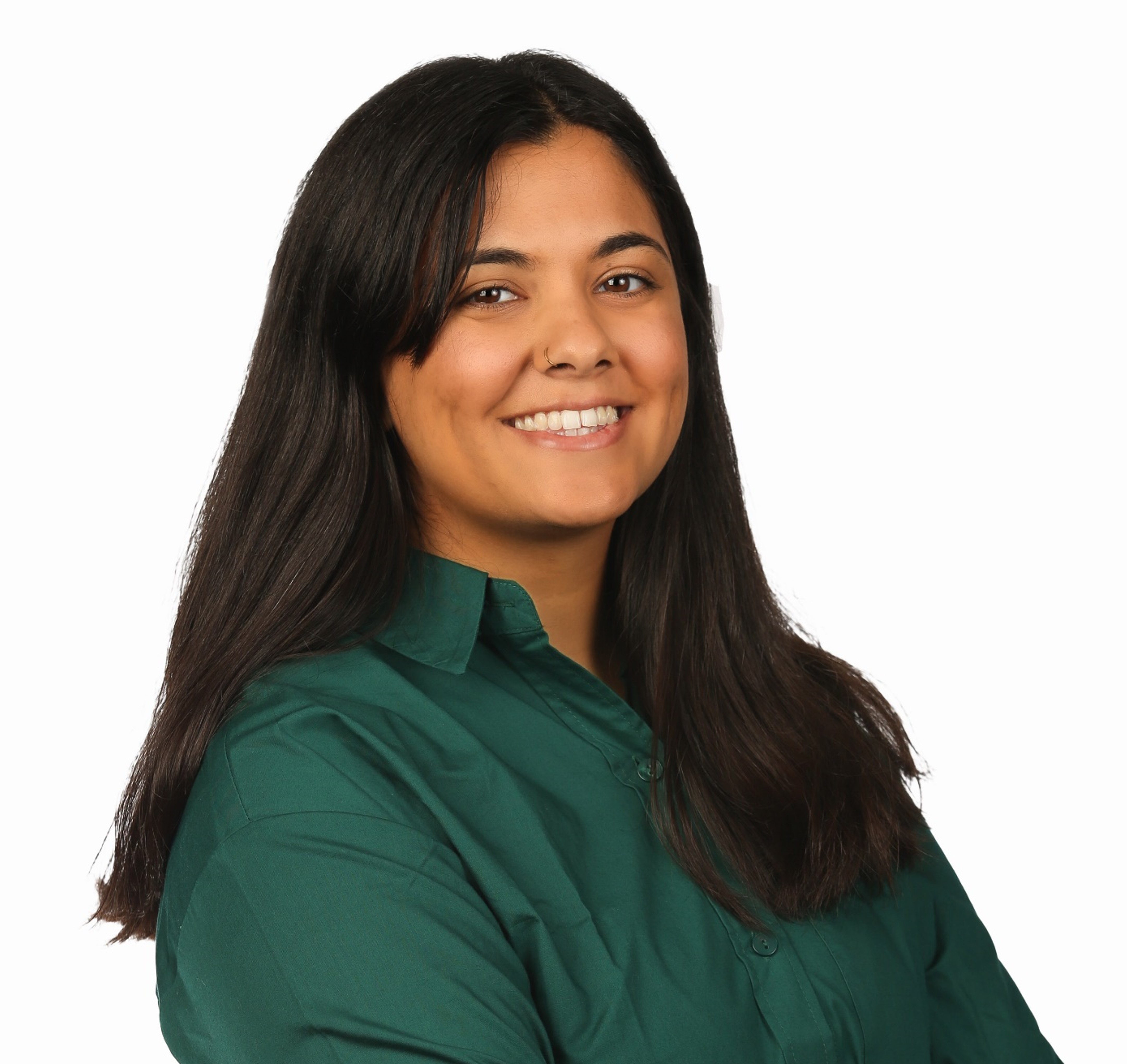
Ph.D. candidate at the University of Virginia using machine learning and deep learning methods to predict flash droughts, assess hydrologic impacts, and improve drought monitoring with the integration of remote sensing data.
PhD candidate at Stevens Institute of Technology, focuses on applying advanced modeling and remote sensing techniques for environmental monitoring and enhance public scientific engagement.
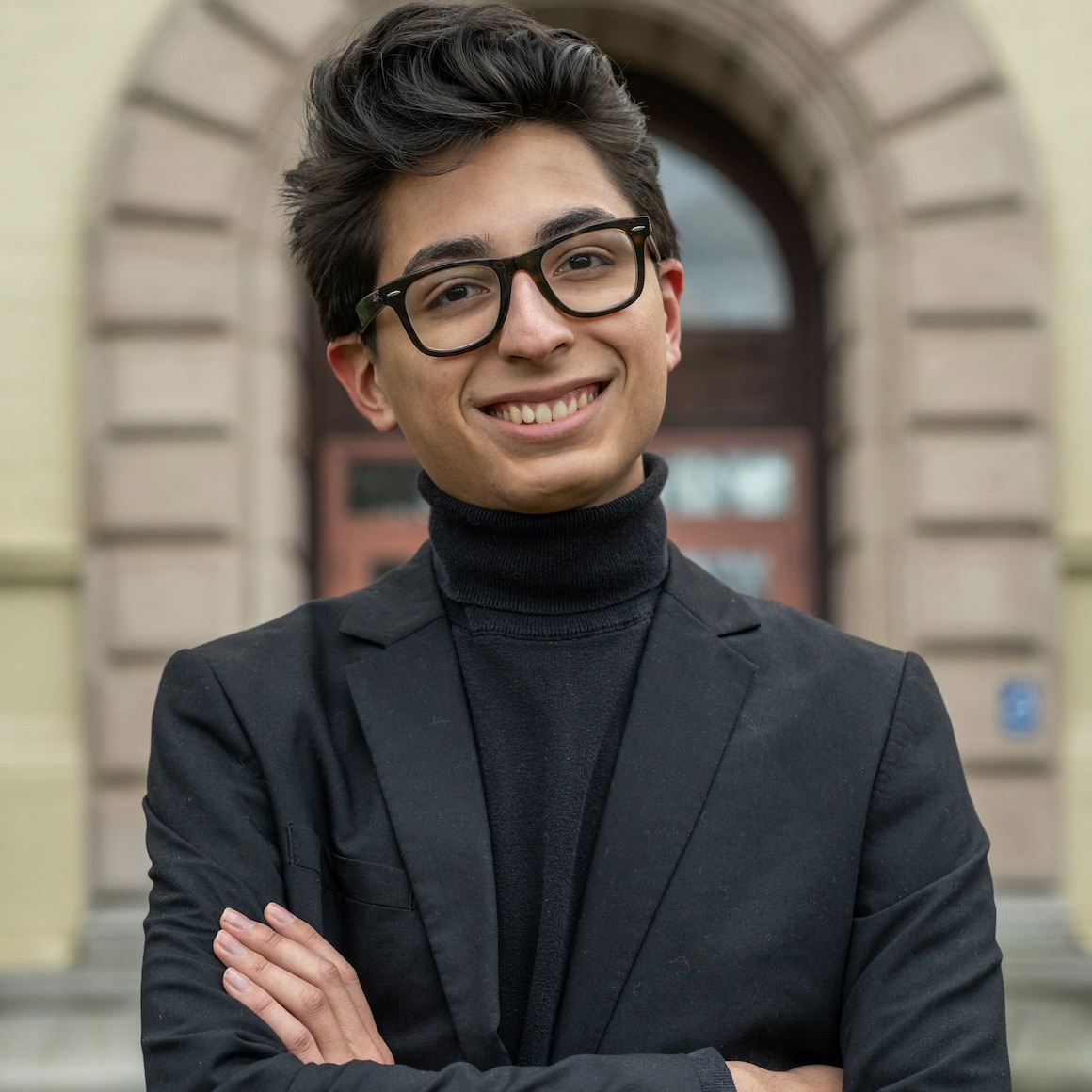
Software engineer and environmental scientist, with significant contributions to NASA projects and full-stack web development. Sergio specializes in Python, JavaScript, C++, data science, and machine learning.
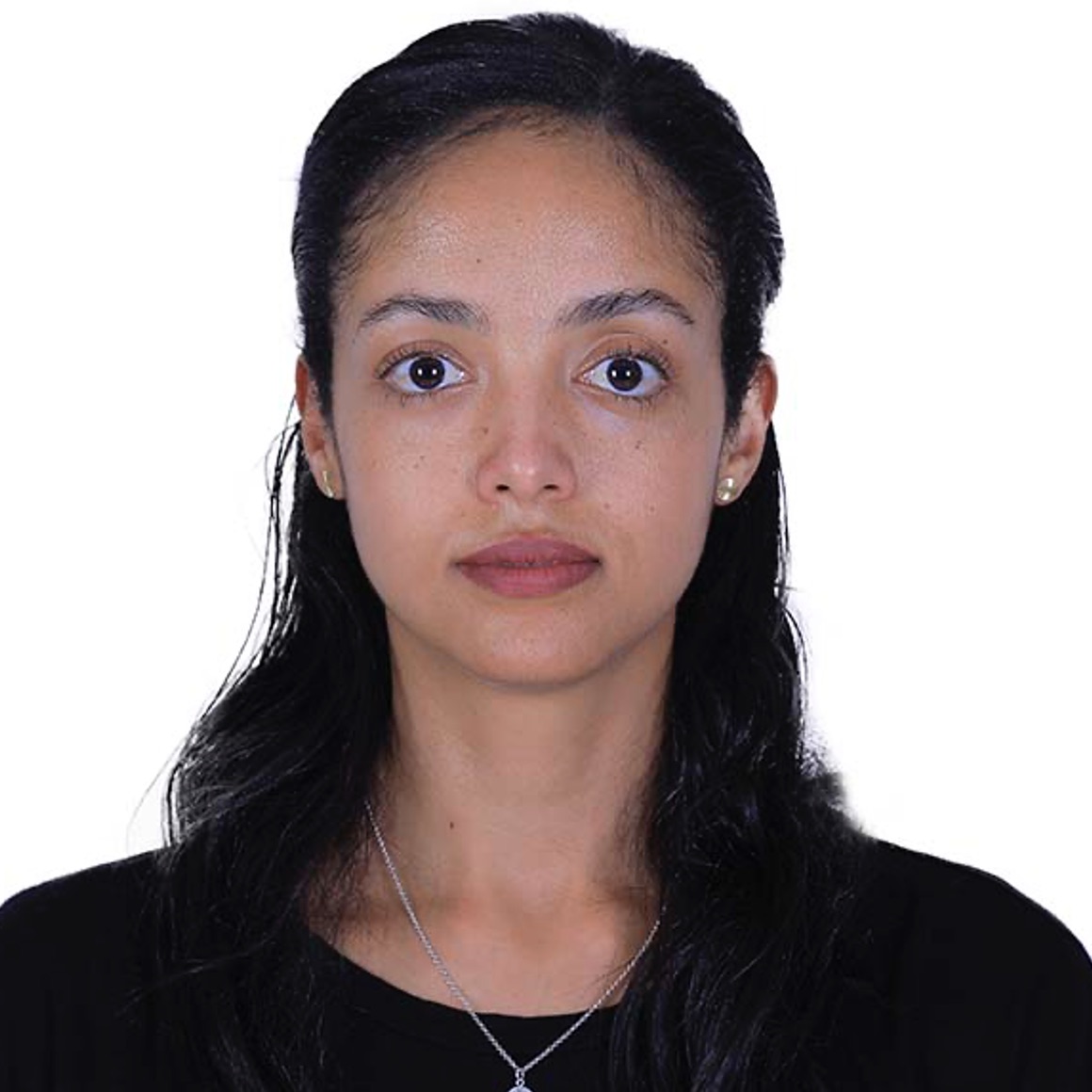
Doctoral candidate in Earth Systems Science at Florida International University. Her research focuses on hydrology and drought modeling for informed decision-making processes.
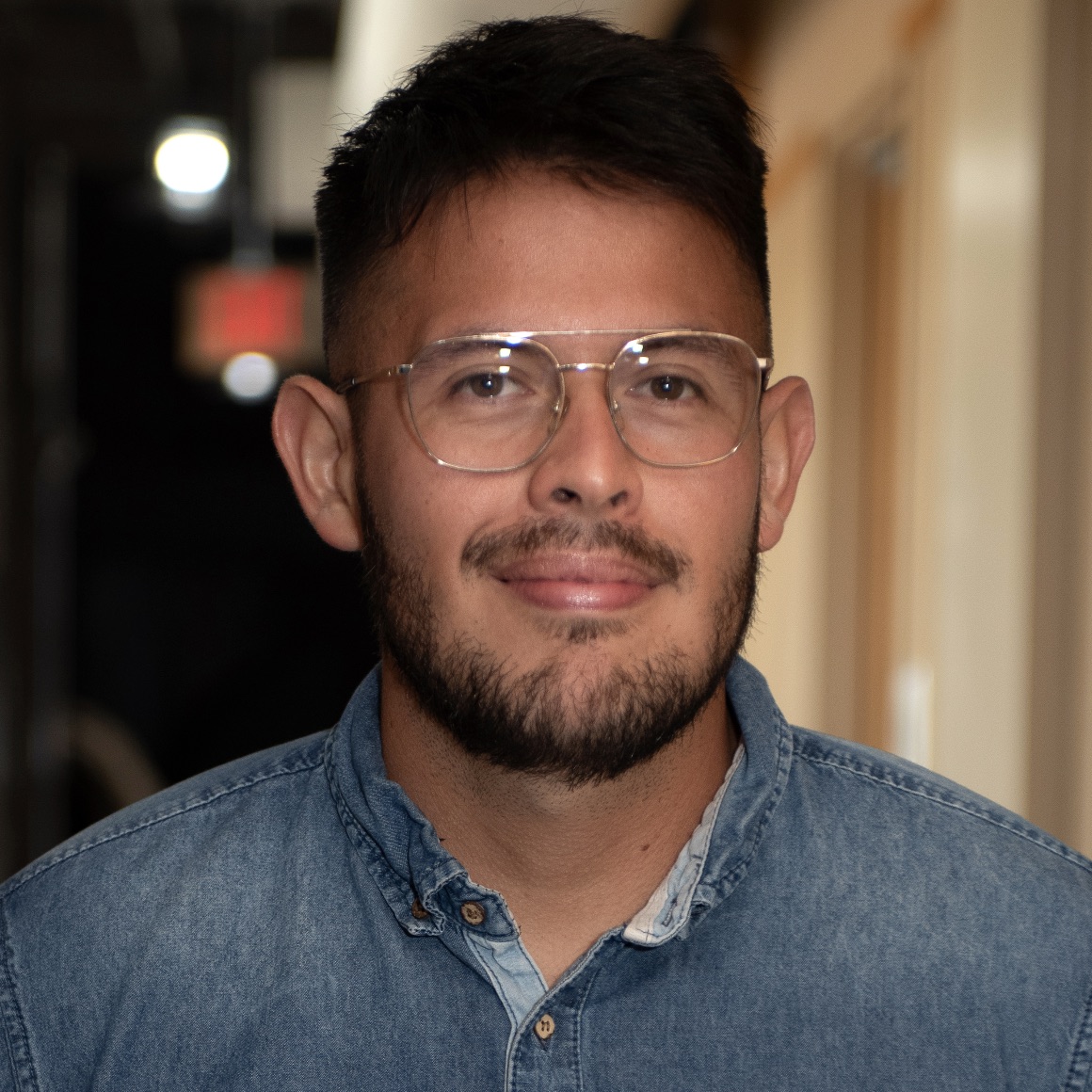
PhD student working as a research assistant at the University of Iowa. He focuses on developing web-based hydroinformatics tools for research and education.
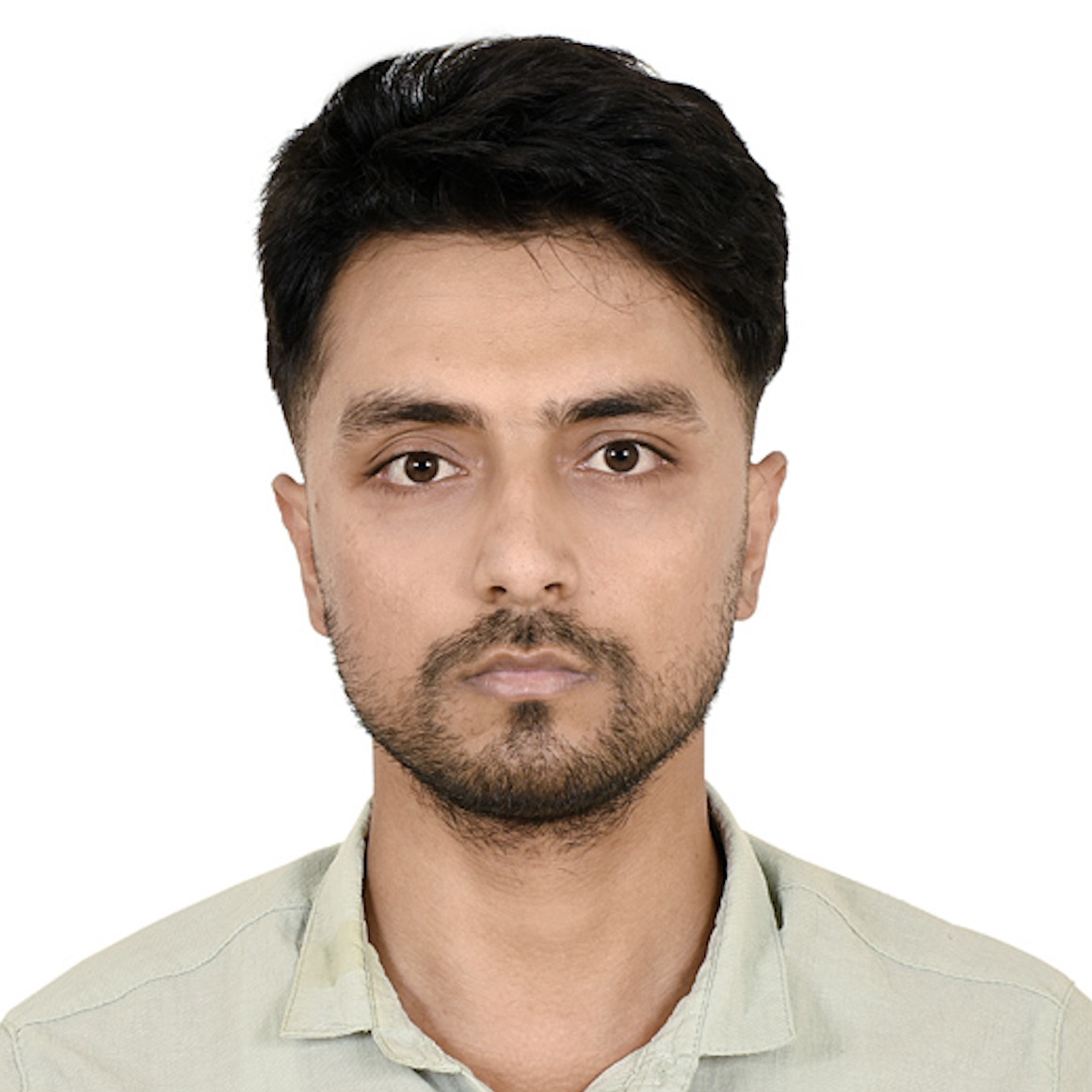
Ph.D. student in Water Resources Engineering at Clemson University. He is interested in climate compound extremes, stochastic hydrology, and statistical modeling.
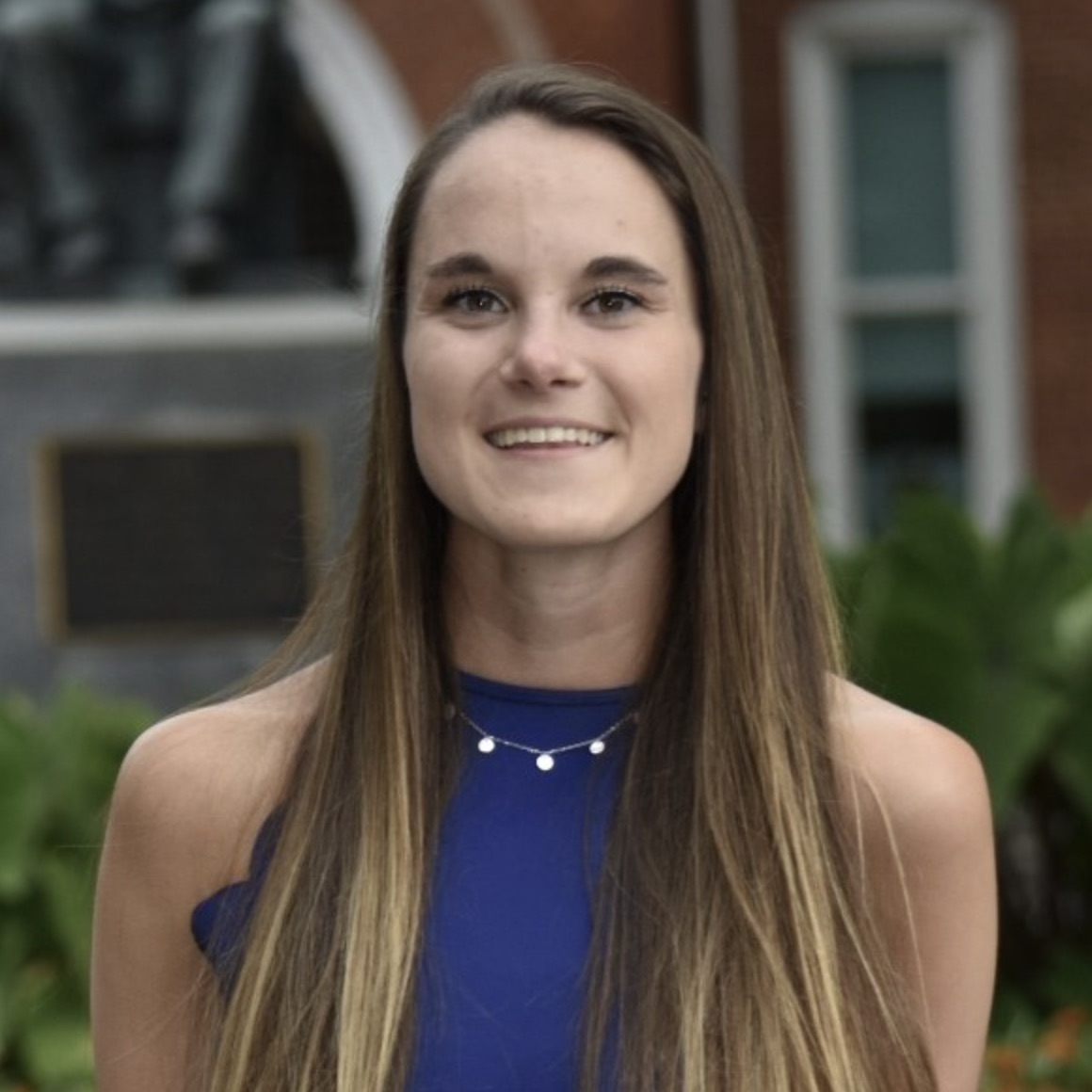
PhD student in the College of Agriculture, Forestry, and Life Sciences at Clemson University. Her research focuses on soil water repellency in agroecosystems.
Postdoctoral Researcher at Illinois State University. Galina investigates suspended sediment transport in rivers, the bioturbation of bottom sediment' effect on turbidity cycles, and the distribution of suspended and dissolved pollutants.
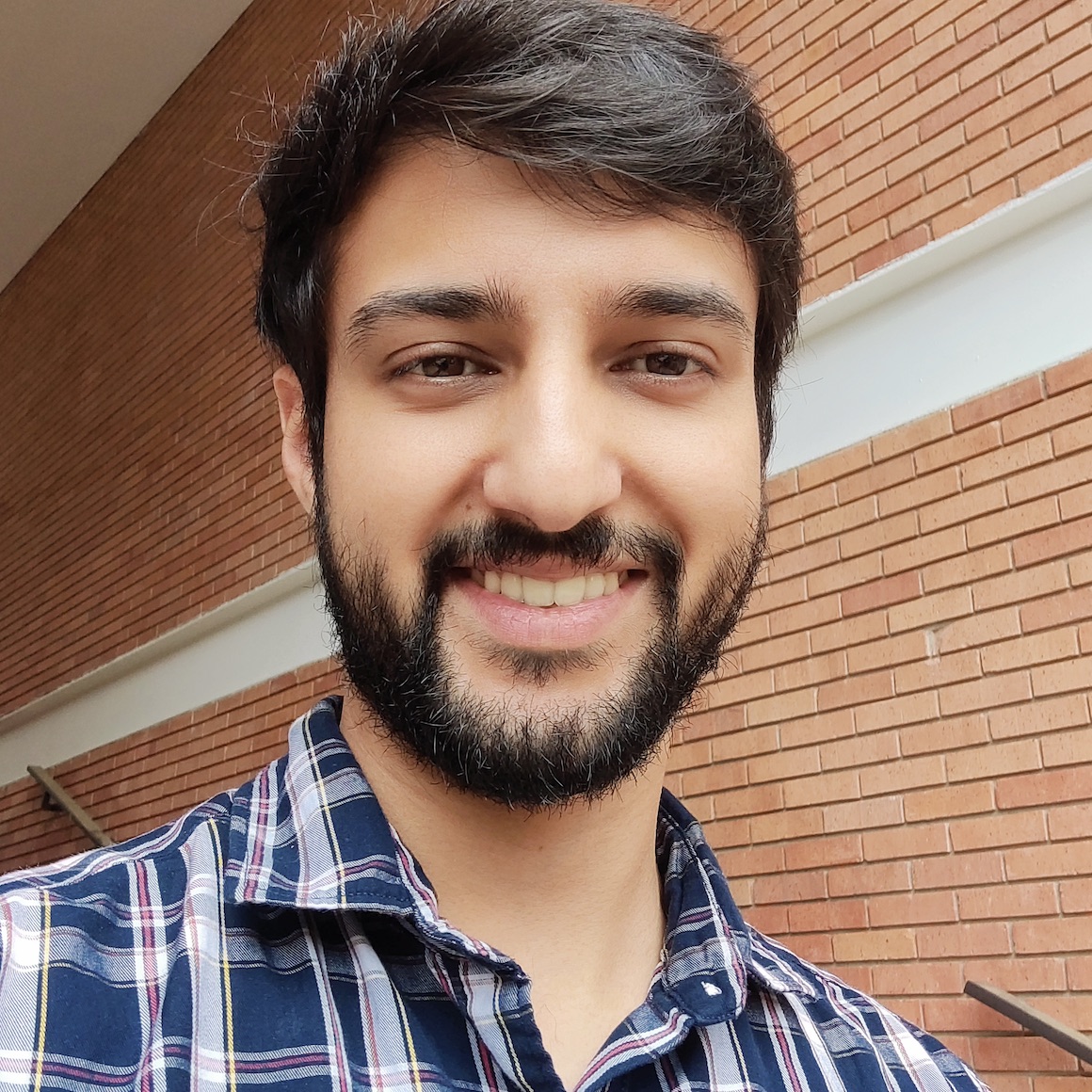
Ph.D. student in Civil Engineering at Clemson University, specializing in climate extremes and hydrological modeling.
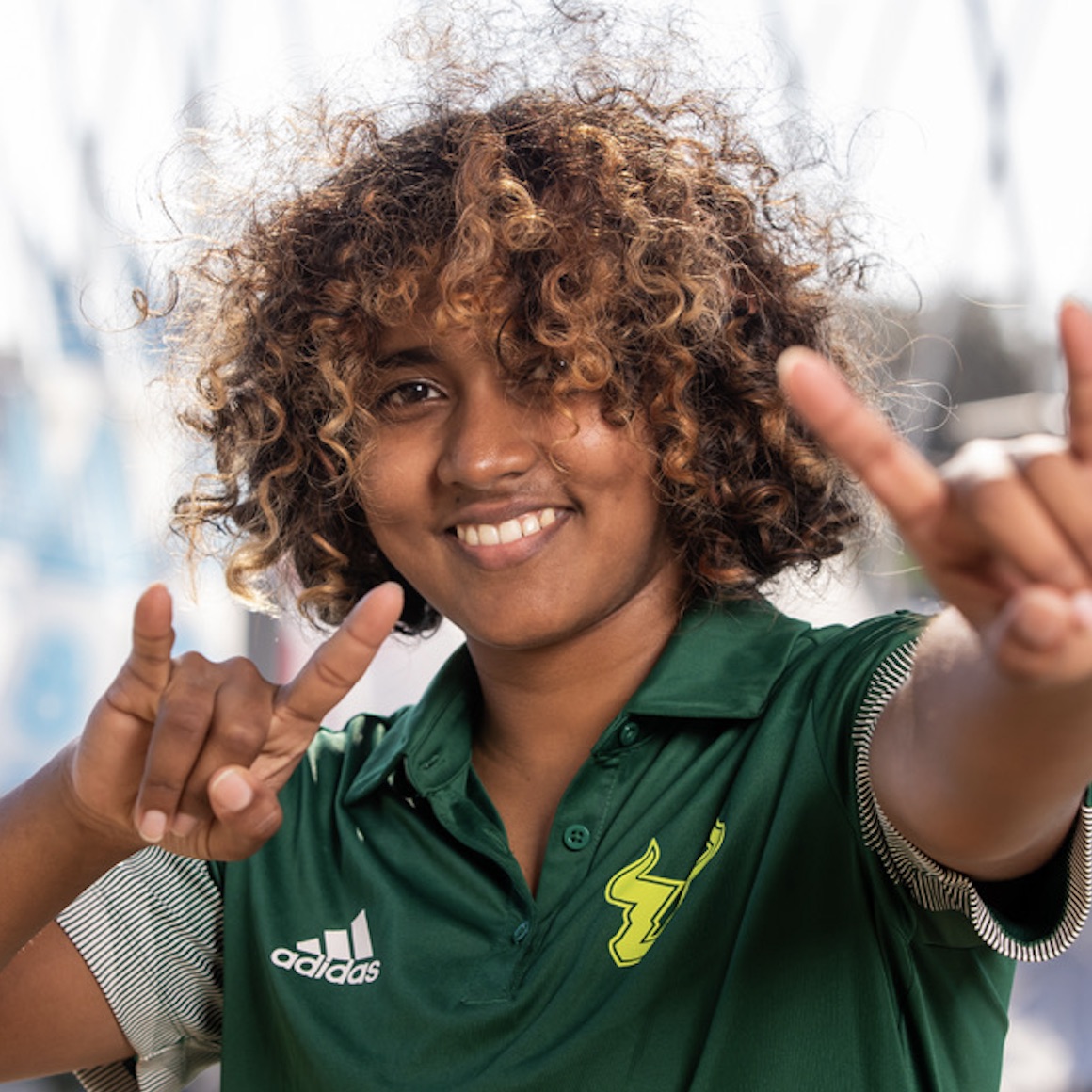
Undergraduate student in environmental engineering at the University of South Florida. She has worked on watershed sustainability and assessments.
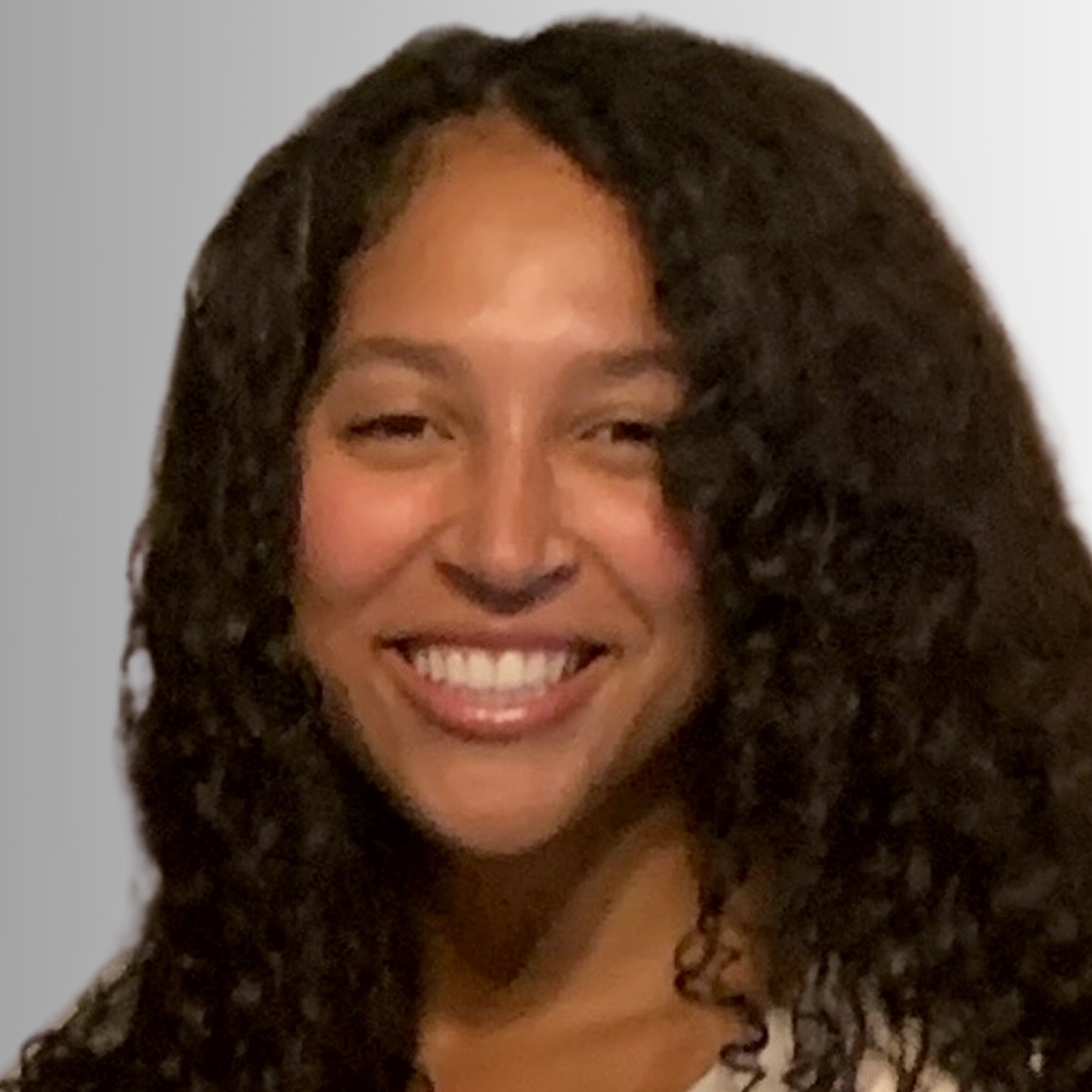
PhD student at the University of Massachusetts Amherst. She uses hydrodynamic modeling, spatial analysis, and risk assessment tools to study exposure and adaptation to climate hazards.
Postdoctoral researcher at the Colorado School of Mines. Her research interests are in hydrologic modeling and machine learning focusing on subsurface flow processes, and climate change impacts on the hydrologic cycle.
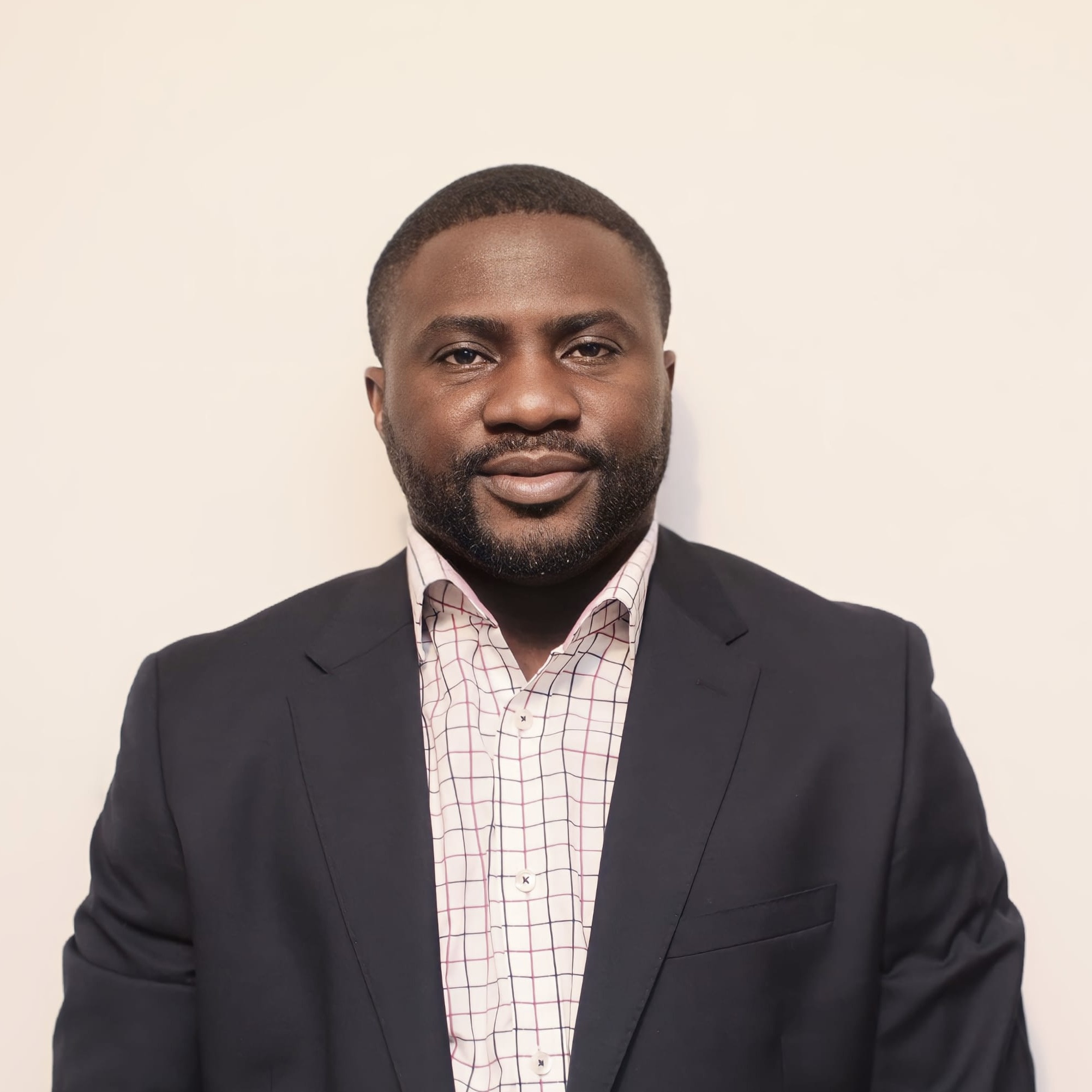
Geoscientist at the University of Pittsburgh with a passion for unraveling Earth's mysteries. He thrives in exploring the complexities of our planet's geological processes.
PhD Candidate in Earth Systems Science at Florida International University. His research focuses on Water Quality monitoring for inland water bodies using remote sensing and machine learning techniques. Other research interests include Water Resources, Environmental, Hydrology, and watershed management.
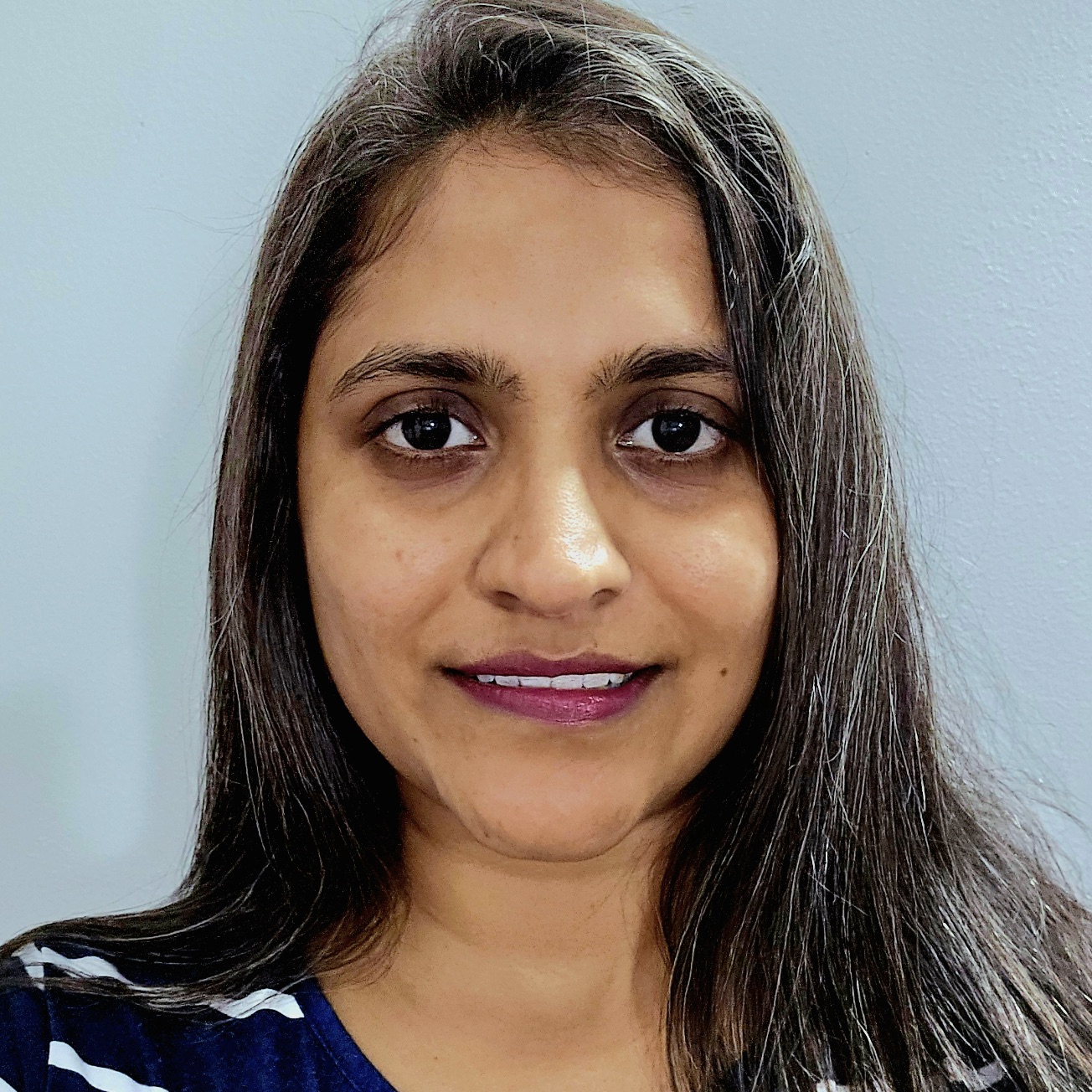
PhD student in the Department of Earth, Atmospheric, and Planetary Sciences at Purdue University. Her main research interest is studying large river basins, multi-isotope analyses, and hydrogeochemical approaches. She is also interested in hydrologic modeling, machine learning & data analytical approaches.
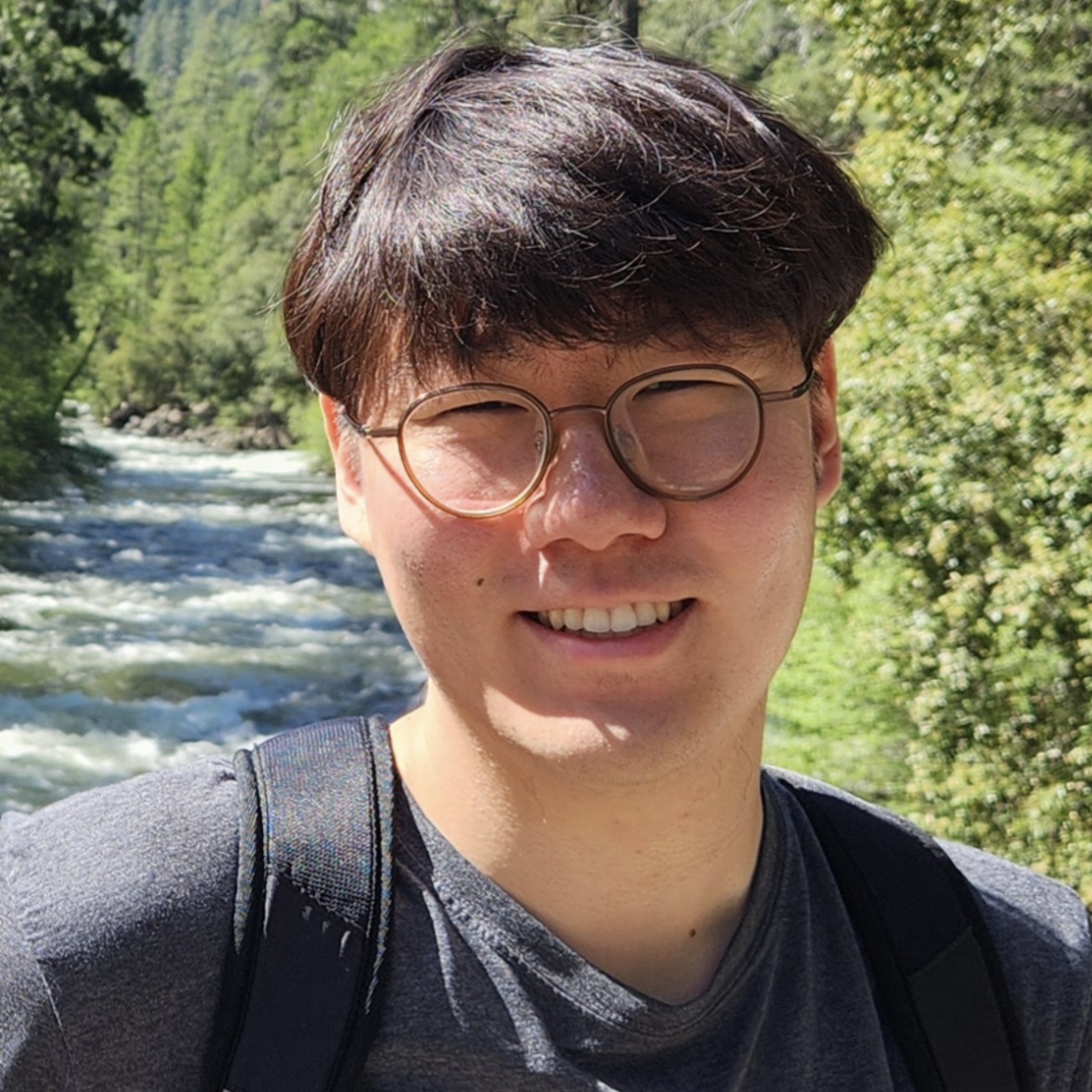
Graduate student at Southern Methodist University interested in remote sensing and surface hydrology.
Over its first two years, WaterSoftHack has emerged as a transformative training and innovation initiative, advancing the integration of cyberinfrastructure and machine learning into water science and engineering. Through hands-on training, software development, and career-building opportunities, the program has significantly strengthened research capacity, fostered collaborations, and accelerated the adoption of data-driven solutions for water challenges worldwide.